
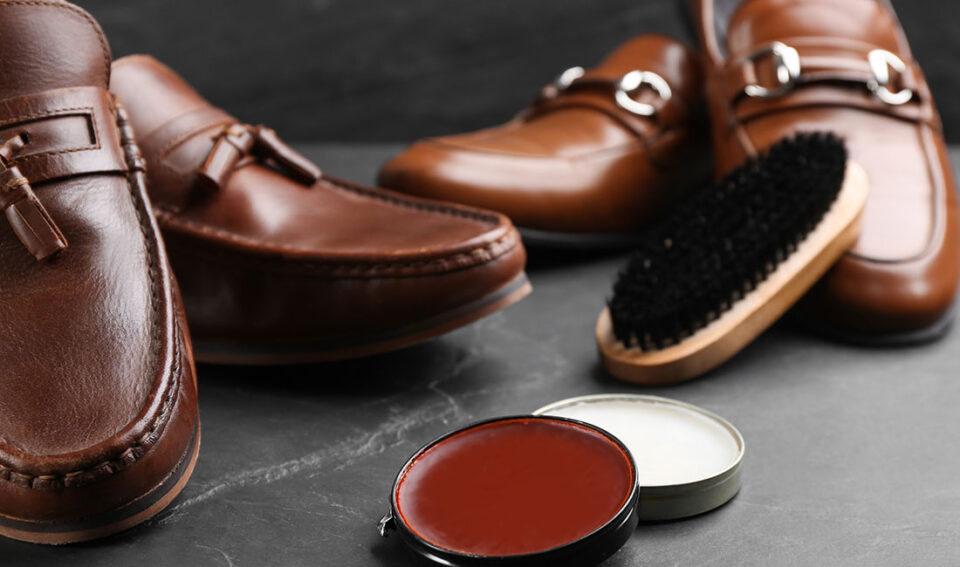
The four main loafer styles are penny, tassel, bit, and horsebit loafers. Each style has a different vamp detail, formality level, and best use case. Penny loafers are the most versatile, tassel loafers add a traditional look, bit loafers use metal hardware for a polished style, and horsebit loafers are a dressier version with equestrian-style hardware.
Based on men’s footwear design and fit principles, this guide explains how to identify and compare these loafer styles. It covers key features, origins, materials, soles, fit rules, sock choices, care routines, and outfit pairings. The goal is to help readers choose the right loafer style for business, smart-casual, and weekend wear.
What Is a Loafer and What Are Its Defining Features?
A loafer is a low-heeled, laceless slip-on shoe with a moccasin-style upper and a defined heel. The first modern loafer dates to 1930s Norway. American shoemakers brought the design to wider menswear by 1936.
Four features define every loafer:
- Laceless slip-on construction
- Low heel under 1 inch
- Moccasin-style upper with stitched apron
- Structured sole and defined heel counter
The parts of a loafer include the vamp, saddle, apron, throat, heel counter, and outsole. A loafer is not the same as a moccasin. Moccasins use one piece of leather underneath and have no defined heel. A driving shoe is a moccasin with rubber nubs on the sole.
How Are Loafers Classified by Style?
Loafers are classified by the ornament across the vamp. The four core styles are penny (leather strap), tassel (twin tassels), bit (metal hardware), and horsebit (snaffle-shaped metal). Five extension styles fill niches outside the core four.
The four core styles ordered by formality, casual to formal:
- Penny — versatile, casual to business
- Tassel — traditional, smart-casual to business
- Bit — polished, business to evening
- Horsebit — refined, business to dressy
Origin geography splits the four styles. American shoemakers created the penny (1936) and tassel (1950). Italian shoemakers developed the broader bit category in the mid-20th century and the horsebit specifically in 1953.
#1 What Is a Penny Loafer?
A penny loafer is a slip-on shoe with a leather strap across the vamp. The strap has a small slit that holds a coin. American shoemakers introduced the modern penny loafer in 1936. It is the most versatile loafer style in modern menswear.
Three features identify a penny loafer:
- A horizontal leather saddle across the vamp
- A diamond-shaped cut-out in the saddle
- Moccasin stitching around the apron
The name traces to U.S. college students in the 1950s who slipped a penny into the slot. The design has two main variants. The beefroll version cinches the strap edges into rolled tubes. The flat-strap version leaves the strap unrolled and reads dressier.
The penny loafer works across the widest range of outfits. It pairs with summer suits, chinos, denim, and tailored shorts. Joes Footwear’s Isaac uses burnished cow leather with hand-sewn penny construction and a leather lining.
#2 What Is a Tassel Loafer?
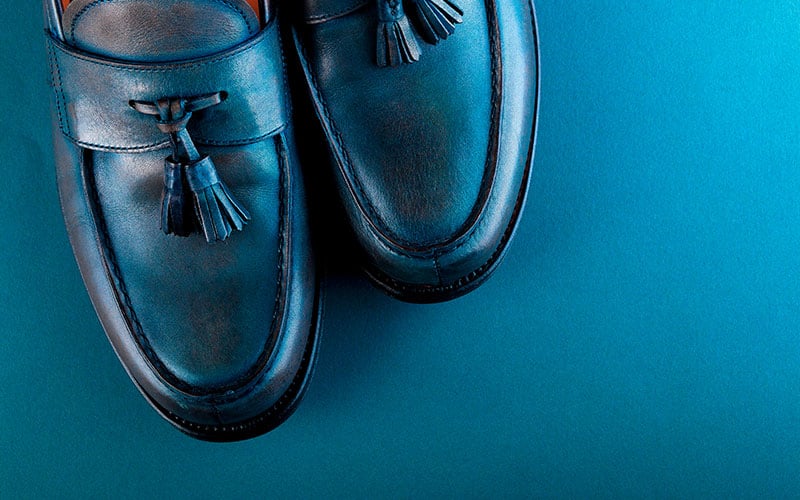
A tassel loafer is a slip-on shoe with two decorative leather tassels hanging from the vamp. American shoemakers introduced the design in 1950 at the request of actor Paul Lukas. The style sits one step above the penny loafer in formality.
Paul Lukas brought a pair of tasseled oxfords to several U.S. shoemakers in 1950. Massachusetts-based shoemakers built the first slip-on version. The shoe became a signature piece for American lawyers, bankers, and politicians by the 1960s.
Three features identify a tassel loafer:
- Two leather tassels hanging from the vamp
- A woven leather lace running around the topline
- A smooth vamp with no saddle
The kiltie tassel is a known variant. It adds a fringed leather tongue behind the tassels for extra texture. Tassel loafers pair with worsted-wool trousers, soft blazers, and unstructured suits. They read too traditional with athletic clothing.
#3 What Is a Bit Loafer?
A bit loafer is a slip-on shoe with a metal ornament across the vamp. The hardware can be a bar, chain, or buckle. The style was developed in Italian shoemaking and sits between dress shoes and traditional loafer in formality.
The bit family covers any loafer with a metal piece replacing the strap or tassel. Common bit shapes include:
- Chain bit — a linked metal chain spans the vamp
- Bar bit — a single horizontal metal bar
- Buckle bit — a small ornamental buckle, often gold or silver
- Mini-bit — a smaller hardware piece for understated styling
The metal finish sets the formality. Polished gold reads dressier. Brushed silver and gunmetal read modern. The vamp stays smooth, with no apron stitching across it. Bit loafers pair with tailored suits, smart trousers, and dressy denim.
#4 What Is a Horsebit Loafer?
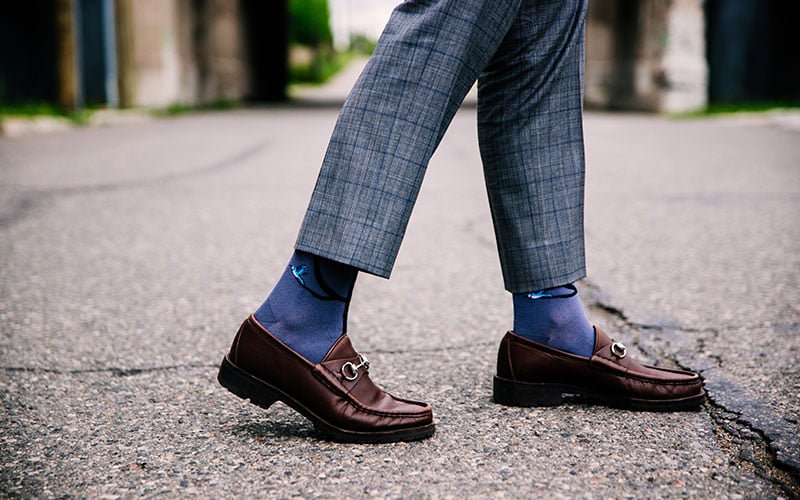
A horsebit loafer is a bit loafer with hardware shaped like an equestrian snaffle. The snaffle is two D-rings connected by a center bar. An Italian luxury house released the design in 1953. It is the most recognized luxury loafer style worldwide.
The designer based the hardware on the snaffle bit used to control horses. The two D-rings join through a straight bar at the middle. The house built the design into its brand identity and protected the hardware as a signature element.
Three features identify a horsebit loafer:
- Two D-rings connected by a horizontal bar
- A smooth vamp with a low-cut throat
- Hardware that sits flat against the leather, not raised
The horsebit reads dressier than other bit styles. The snaffle design carries equestrian and Italian luxury associations. Horsebit loafers work with navy suits, charcoal trousers, and dressy weekend outfits. They look out of place with athletic gear or heavy workwear.
Which Loafer Styles Exist Outside the Core Four?
Five additional loafer styles fill specific roles outside the core four. They are the Belgian, kiltie, beefroll, Venetian, and slipper. Each serves a niche that the penny, tassel, bit, and horsebit do not cover.
The five extension styles and their roles:
- Belgian loafer — Carries a small bow on the vamp. No apron stitching. The dressiest casual loafer.
- Kiltie loafer — Adds a fringed leather tongue over the vamp. Reads smart-casual.
- Beefroll loafer — A penny variant with cinched, rolled strap edges. Preppy and traditional.
- Venetian loafer — Plain vamp with no ornament. The minimalist dress option.
- Slipper loafer — Velvet upper with a leather sole. Reserved for evening and black-tie.
How Do Penny, Tassel, Bit, and Horsebit Loafers Compare?
Penny is the most versatile and reads casual to business. Tassel adds traditional character. Bit sits in business-to-evening territory. Horsebit reads dressiest.
The table below maps each style by origin, hallmark, formality, and best pairings:
| Style | Origin | Hallmark Feature | Formality | Best Pairings |
| Penny | USA, 1936 | Leather strap with coin slot | Casual to Business | Chinos, denim, summer suits |
| Tassel | USA, 1950 | Twin leather tassels | Smart Business | Worsted trousers, blazers |
| Bit | Italy, 20th century | Metal bar, chain, or buckle | Business to Evening | Tailored suits, smart denim |
| Horsebit | Italy, 1953 | Snaffle-shaped metal | Dressy | Navy suits, charcoal trousers |
Buyers building a first loafer collection should start with a penny in dark brown leather. The second pair adds a horsebit or bit in black or dark brown. The third pair brings in a suede tassel for seasonal rotation.
What Materials and Soles Affect Loafer Quality?
Loafer quality depends on upper material, construction method, and sole. Full-grain leather lasts 10 to 15 years. Suede lasts 5 to 8 years with care. Leather soles read formal but slip on wet ground. Rubber soles add grip and read casual.
Full-grain leather keeps the natural surface and develops patina over time. Top-grain is sanded smooth for uniform color. Suede has a softer look and lighter weight. Nubuck is buffed top-grain with a velvety surface.
Three construction methods are used in loafer production:
- Blake stitch — One internal stitch from insole to outsole. Sleek profile. Resoleable 2 to 4 times.
- Moccasin construction — Upper wraps under the foot in one piece. Most flexible build.
- Cemented — Glued sole. Not resoleable. Common in lower-cost lines.
Sole choice changes the formality. Leather soles read formal but slip in rain. Rubber soles add grip and shift the shoe casual. A combination sole uses leather with a rubber heel insert. Joes Footwear’s Rowan pairs a cow suede upper with leather piping, and Victor uses cow leather with a molded rubber sole.
How Should Loafers Fit, Be Worn, and Be Cared For?
A correctly fitted loafer should hold the heel firmly and feel snug across the ball. Leather stretches half a size with wear. Suede stretches more. Care depends on upper material — leather needs conditioning every 4 to 6 weeks.
Four fit checkpoints apply to every loafer purchase:
- The heel sits firm with no lift when walking.
- The ball of the foot fits snug, not tight.
- The instep holds the foot without pressure points.
- The toes have 5 to 10 millimeters of room.
Sizing differs by upper material. Stiff calf leather should be bought a half size down. It stretches by 3 to 5 millimeters with wear. Soft suede should be bought true to size because it stretches more.
Sock choice signals formality. No-show socks read casual and modern. Mid-calf solid socks read business. Bare ankles work in summer but limit office use.
Leather and suede follow different care routines:
- Leather: Brush after each wear. Condition every 4 to 6 weeks. Polish every 5 to 10 wears. Use cedar shoe trees.
- Suede: Brush with a horsehair brush after each wear. Apply waterproofing spray before the first wear. Re-apply every 3 months.
Full-grain leather loafers last 10 years with this routine.
FAQs
Can men wear loafers with a suit?
Yes. Penny, bit, and horsebit loafers pair well with suits. Tassel loafers work with softer business suits. Slipper loafers fit black-tie codes.
Do loafers stretch over time?
Yes. Calf leather stretches 3 to 5 millimeters. Suede stretches more. Buy stiff leather a half size down and suede true to size.
How long should a quality loafer last?
A full-grain leather loafer lasts 10 to 15 years with regular care. A suede loafer lasts 5 to 8 years. Cemented budget loafers last 1 to 3 years.
Are loafers business formal or business casual?
Most loafers read business casual. Horsebit and bit loafers in black leather can pass as business formal outside strict corporate dress codes.
Should men wear socks with loafers?
Yes for offices and cooler weather. No-show socks are the modern default. Bare ankles work for summer and warm climates only.
Which loafer style should a man buy first?
A dark brown penny loafer in full-grain leather. It pairs with the widest range of outfits across business and weekend wear.
Can women wear men’s loafer styles?
Yes. Penny, tassel, and horsebit designs all exist in women’s sizing and have crossed over since the 1980s.