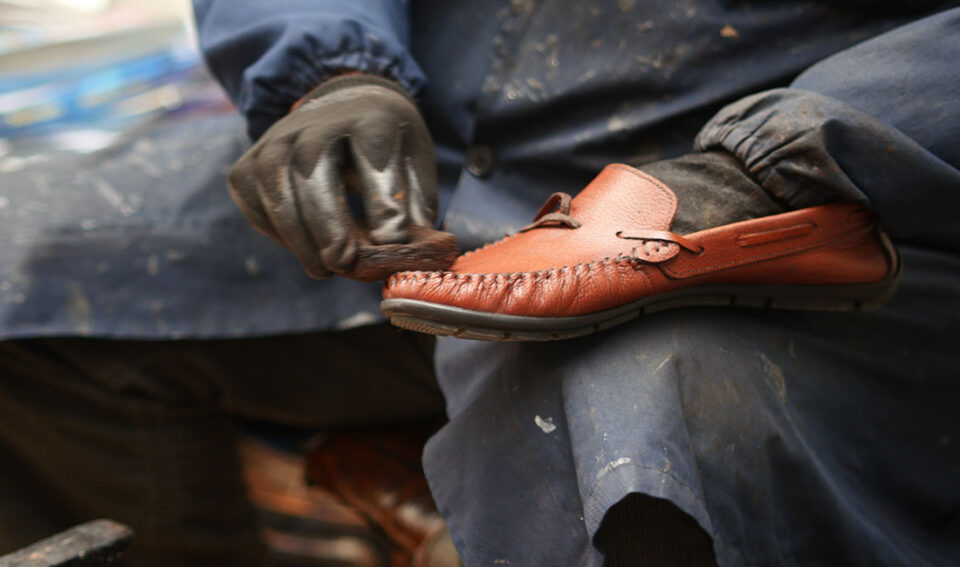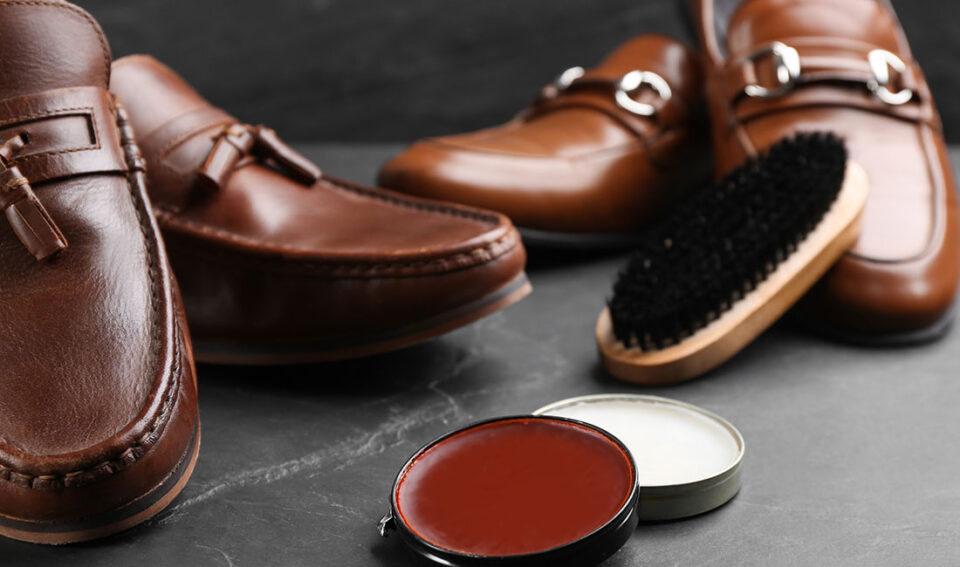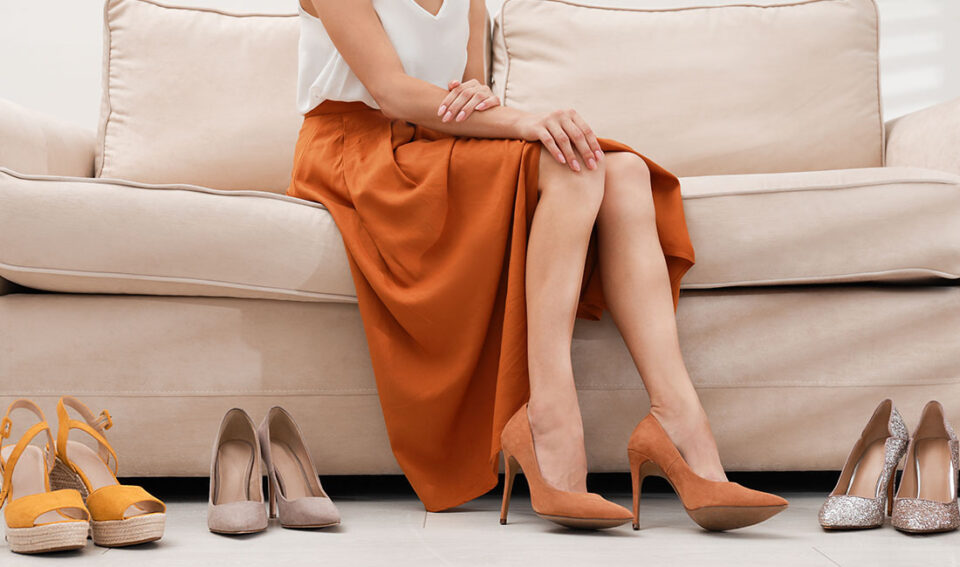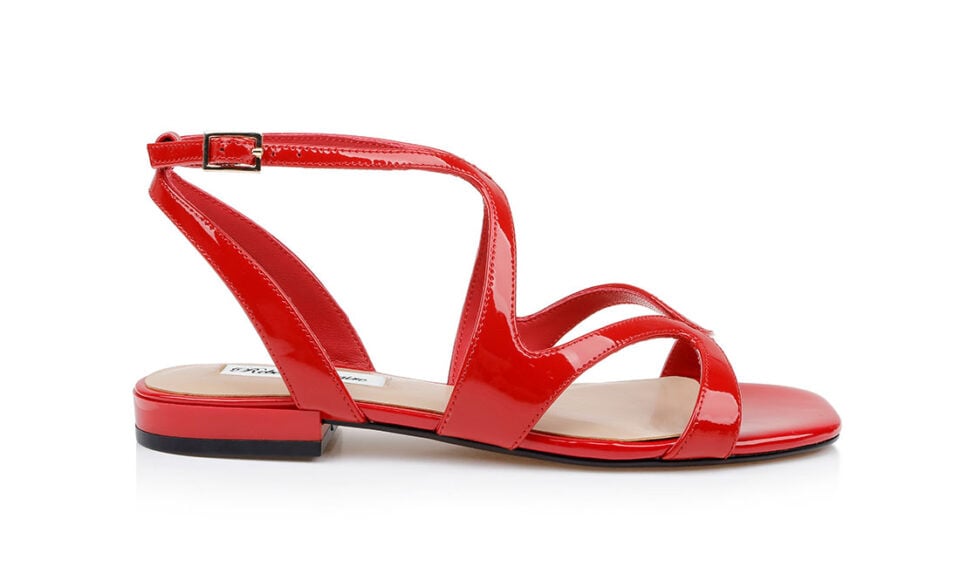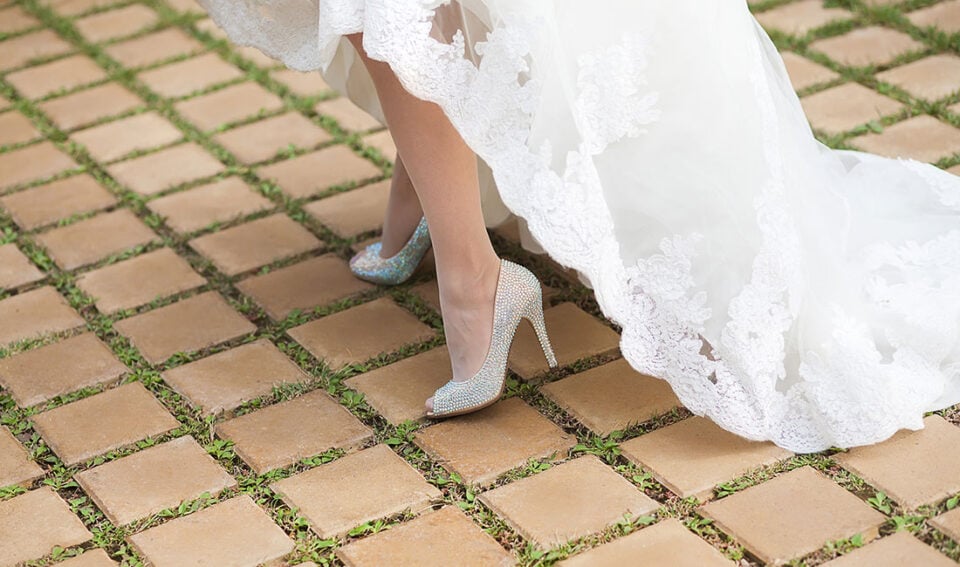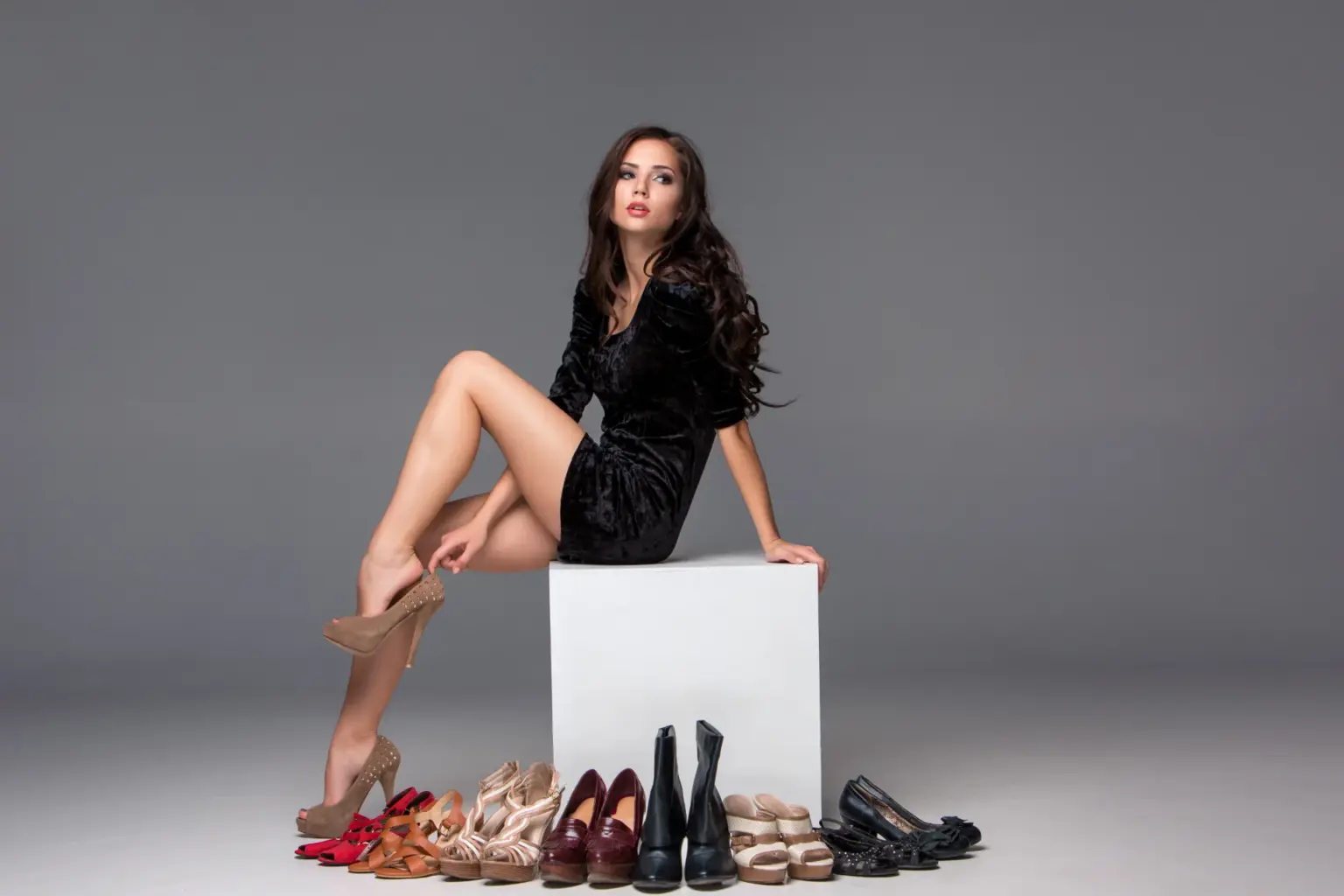
Comfort and safety should be the top priorities in looking for the right pair of shoes. Shoe sizing, foot health and correct size are key factors to consider when looking for the right fit. To add, other features such as toe room, length, width, arch support and heel slip need to be factored in. While shoes can be a fashion statement, they should also be comfortable. This guide explains why some shoes may not fit properly and how to prevent it. Common Signs Your Shoes Don’t Fit Properly Below are the different ways to identify if your shoes do not fit well. ●Tightness in toe box or width. When toe room is too constricted, toes cannot move freely which could eventually lead to cramping. ●Heels slippage while walking. If the heel cup does not snugly fit, the foot may slide side-to-side which may lead to blisters. ●Pressure points or pain. If the foot is not aligned with the shoe, it causes unnecessary pressure while moving. Discomfort would arise, feet would become sore and arches would ache. ●Feeling overly snug or loose. Extremely tight shoes prevent circulation, while too loose shoes cause feet to slide. If the fit is too loose or too tight, it could disrupt natural alignment causing foot pain. ●Blisters and friction zones. Blisters develop due to continuous rubbing of the foot against the shoe. This causes calluses around the heel, toes or sides of the foot. How Properly Fitted Shoes Should Feel When trying out new shoes, you can explicitly tell if it feels right or not. Below are the indicators on how the right shoes should feel when worn. ●The “one thumb width” rule. Between your longest toe and the end of the shoe, there should be half an inch allowance. This is the ideal toe room which is for your feet whenever they expand slightly while walking, running and standing for long periods. ●Midfoot and heel support. The midfoot and the heel should snugly fit your shoe. With this, slipping is prevented and pressure is spread evenly in the foot. ●Differences in width, arch, and volume. Note that there are differences in width, arch and volume hence you should never force your feet to any shoes if it feels uncomfortable. Remember that shoes should adapt to the foot’s unique shape. ●How the foot should naturally align in the shoe. When you take each step, it should feel that your foot is stable and balanced. ●Proper fit for different shoe styles. There are some shoes that are stylish but not comfortable. Keep in mind that when shoes are tried on, it should feel good so you can move freely. Fit Differences by Shoe Type There are different types of shoes, each designed for a specific purpose. The right fit varies for each activity they are intended for. Below are the most common shoe types, highlighting how they should fit properly. ●Running Shoes: Since feet swell during runs, always size up by half a size. Look for a roomy toe, a cushioned midsole, and a firm heel counter. Keep in mind that a poor fit may cause blisters, black toenails or joint strain. ●Climbing Shoes: These should fit snug with minimal toe room for accurate grip. A tight forefoot and secure midfoot prevent slipping when edging or smearing, since toes carry most of the power when climbing. ●Dress Shoes: Balancing style with comfort is key. Toes should be able to move slightly, and arches need support. Avoid narrow or pointed designs as these force the toes into unnatural positions. ●Outdoor/Athletic Shoes: Comfortable shoes for hiking, cycling, soccer and other sports must match the activity. Good fit maximizes performance, ensures stability, and prevents injuries. ●Kids and Toddler: Children’s feet grow rapidly hence it is advisable to check size every 3 to 6 months. Aim for a thumb’s width of toe space, flexible soles for natural movement, and secure closures like Velcro or laces. ●Zero-drop: Also called barefoot shoes, these mimic natural foot movement. They should fit snug at the midfoot and heel while allowing toes to splay. These shoes act like a second skin encouraging natural gait and proper alignment. Fit Differences by Occasions The right shoe fit is essential regardless of occasion. Below are the most common shoe types for different occasions and how their fit varies. ●Sports and Athletics: Shoes should feel supportive from the start wherein there is no need to “break-in” a pair of new shoes. They’re designed to absorb impact, reduce risk of injury and most importantly, stay comfortable during movement. ●Corporate and Dress: Fit should never be sacrificed for looks. Style and comfort can work well together by making sure there is a secure heel, supported arch, and roomy toe area. All these elements put together will make long hours of wear more manageable while still looking sharp. Regional and Brand Fit Variations Before purchasing any pair of shoes, one must consider the sizing systems which is US and EU, as well as the width measurements. Regardless of the brand, each shoe company uses its own sizing standards. Hence before purchasing, always try on the shoes or consult the brand’s sizing chart. ●US vs EU Sizing Systems: Each brand has its corresponding US and EU sizing guides. The US system is based on inches while the EU system is based on Paris points. For example, a US men’s size 9 equals EU 42.5. That said, make sure to check the sizing system before purchasing a pair. ●Width: Width measurements are just as important as length. Below are the common codes and who they suit. Width Code Men’s Standard Women’s Standard Ideal For B Narrow Standard Narrow-footed individuals D Standard Wide Average/standard foot width 2E Wide Extra Wide Broad-footed individuals 4E+ Extra Wide — Specialty-fit, very wide feet ●Major brands: Below is a list of leading global athletic footwear brands and its comparison. Brand Best for Not Ideal for Comments Nike Narrow to medium feet, neutral arches Broad feet Great for people who have slimmer feet. Adidas Medium-width feet, average arches Very flat feet or wide feet Suitable for casual runners and all-day wear as it is slightly snug and is true-to-size. Brooks Wide and flat feet Very narrow feet Excellent for people who move a lot as it focuses on stability and comfort. New Balance Wide or high-volume feet People who prefer a sleek design Best for people who need personalized fit due to its width options. Hoka Runners who need maximum cushioning and flat-footed individuals People who opt for ground feel Best for people who are flat-footed. On Running People who like styling. Also suitable for neutral runners with medium-width feet Wide feet Suited for those who prefer lightweight activities with fashion appeal. Saucony Flat-footed runners, medium to wide widths Very narrow feet Popular for daily training and long-distance comfort due to its cushioning. Asics Flat-footed runners People with wide-toe fans Best for runners who roll inward Puma Narrow to medium feet Wide-footed individuals Great for daily wear or light workouts as Puma balances sleek design with performance. 5 Steps to Check If Your Shoes Fit Before buying a new pair of shoes, there are five easy and effective ways which you can apply to check if your shoes would fit you well. 1.Toe “thumb test” Toes should wiggle slightly when you stand or walk. ●Put the shoes on with socks, stand up, and shift your weight forward. ●Slide your thumb (or a ruler) between your longest toe and the shoe’s tip. You should feel about ½ inch of space. 2.Heel-lift test Your heel should stay secure with little to no movement to avoid blisters. ●Walk 10–20 steps at a normal pace. ●Pay attention to how much your heel moves inside the shoe. 3.Standing & walking test Your feet should feel stable, not pinched, pressured, or numb. ●Stand still, then walk on both carpet and hard floor for several minutes. ●Try quick direction changes and go up and down the stairs. ●Remove the insole and stand on it to check alignment with your foot shape. ●Bend the shoe to check that it should flex at the ball of your foot and not in the middle. 4.Sock thickness consideration Shoes should pass the first three tests even with your usual socks or inserts. ●Try the shoes with the exact sock thickness you usually wear. ●If you use insoles, fit them inside during the test. 5.Trying on at different times of the day Feet naturally swell due to activities throughout the day. ●Try to fit shoes in the afternoon or evening. ●Wear shoes after a light activity such as a jog or brisk walk, if you intend to buy a pair for sports. FAQs 1.Should shoes be tight or loose? Neither. Shoes should feel comfortable. They should support your arch and heel, giving your toes room to move, and preventing blisters. 2.What if my feet are of different sizes? Buy shoes that fit your larger foot. Use insoles or pads to adjust the smaller one. 3.Can I stretch tight shoes? It depends on the material. Leather can stretch slightly with wear, but most synthetic materials will not.
Leather shoes are produced using the tanned animal hides, such as cows or buffalo. Vegan shoes are made from synthetic materials or plant-based materials. Choosing real leather or vegan shoes when buying new shoes? Environment, durability, popularity, and ethics are some aspects that need to be considered. This comparison will make you aware of the differences so that you may choose a good one that suits you. What is Real Leather? Real or genuine leather is a type of leather produced from animal hides and skins, mostly cattle and sheep. Real leather is produced under the process known as tanning. Tanning makes the skin's protein structure strong. Animal skins are turned into soft and tough materials through the process. Hence, making real leather easy to utilize in a variety of ways. Real leather is known for the distinct texture, breathability, and durability. This is because pores of real leather let air circulate and reduce the foot sweat, enabling the comfortable feel. The inherent collagen structure makes the material very strong. Hence the leather does not tear or puncture, will last a lifetime. With age, surface of the leather will develop an exquisite patina, adding unique character. What Is Vegan Leather? Vegan leather, also called faux leather, is a leather substitute material made without using any animal products. This kind of leather looks and feels much like real leather. Vegan leather can be made from synthetic polymers like polyurethane (PU), polyvinyl chloride (PVC). Or, vegan leather can also be created from plant-based materials, including Piñatex (pineapple leaves), cactus, cork, apple peels, mushroom mycelium. The application is mostly done on shoes, handbags, wallets and upholstered furniture. Vegan leather is distinguished by uniform surface, waterproofness and lightweightness compared to certain types of leather. But, vegan leather is not as porous and powerful as real leather. About environment impact, vegan synthetic leathers pollute environment as they are not biodegradable. This is unlike the plant-based vegan leathers that are more environmentally friendly. Differences Between Leather and Vegan Shoes The main difference between leather and vegan shoes is connected with five factors. These factors are durability, quality and texture, price, environmental impact, and ethical considerations. Durability Real leather shoes are more durable due to their strong collagen fiber structure. The structure makes real leather extremely durable. Therefore, the shoes can last for years and even decades with good care. In contrast, vegan leather shoes use synthetic materials like PU or PVC lack of the kind of structure. The artificial materials usually degrade within 2-5 years. During the period, visible wear appears through peeling or cracking. Quality & Texture The real leather gives a better quality and texture. Natural pores make the leather more breathable, feel warm, smooth, and supple to handle. The real leather also ages beautifully, gaining a desirable patina. Vegan leathers usually made of plastic are less breathable. Their surface can appear and feel plastic, tend to peel or crack rather than age into patina. Price Comparison Leather shoes cost more due to high-priced materials, labor-intensive manufacturing, and quality workmanship. All these promote the premium positioning of the brand. The cheaper raw material, less complex processing make vegan shoes more affordable. However, innovative plant-based options often cost 20-30% more. The higher price results from limited production scale and technological development. Environmental Impact The two materials impact negatively on the environment in a serious way. The leather industry produces significant emissions from animal agriculture. The process needs enormous quantities of water and there are dangers of chemical contamination. Vegan leather will not affect animals but often involves plastics that are not biodegradable. Ethical Considerations Vegan shoes are more ethical than leather shoes. Because vegan leathers completely exclude animal materials and prevent animal cruelty. Most vegan leather materials carry PETA-Approved Vegan certification. This certification guarantees no animal products or testing were used. Leather shoes differ from vegan shoes in that leather has to be made from animal skin. Obtaining these skins involves animal killing, which creates animal welfare issues. How to Choose—Which Is Best for You? The choice between vegan shoes and leather shoes will depend on your lifestyle, budget, durability, or your values. When you want something long-term and classic, then you should choose leather. Real leather is strong in nature and breathable and thus is comfortable and durable. The vegan ones would be your closest option if you prefer a cruelty-free lifestyle and care about animal welfare. Plant-based is a great option when one wants affordability. They are also an ideal response to people who are interested in vegan products. FAQs About Leather and Vegan Leather Is vegan leather renewable or biodegradable? Plant-based vegan leathers are renewable and biodegradable. Vegan leathers made out of plastic such as PU and PVC are dependent on fossil fuels. These non-biodegradable materials lead to environmental hazards. Is vegan leather durable? The leather is usually more long-lasting than the vegan leather. Common synthetic types like PU and PVC are likely to last 2-5 years. With high quality and good maintenance, their lifespan can be extended to a limit of 6-8 years. Real leather can last for the decades when properly maintained. What is vegan leather made of? Vegan leather is made from a variety of materials, primarily synthetic plastics like PU and PVC. Vegan leather can also be produced from new plant-based materials such as Piñatex, cactus, cork, apple peels, and mushroom mycelium.
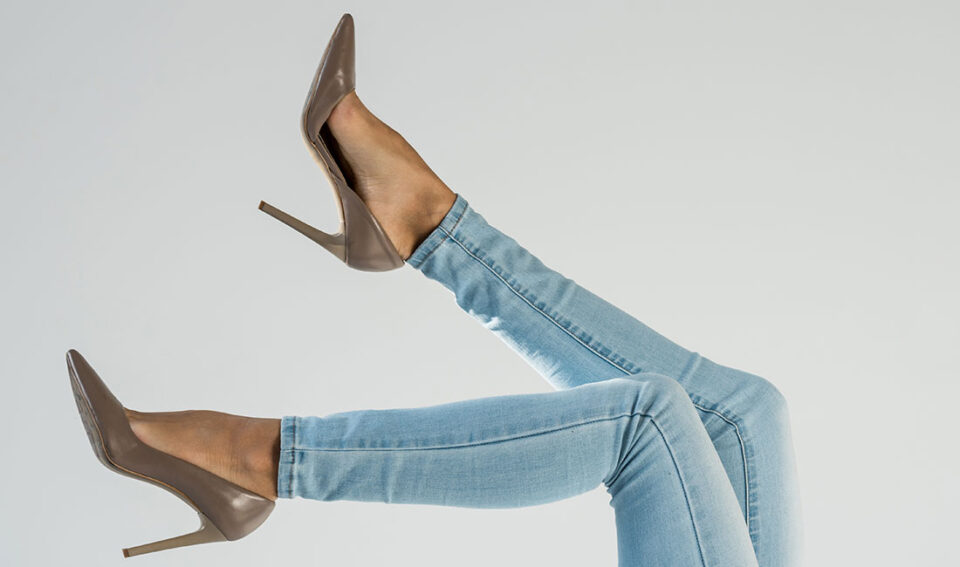
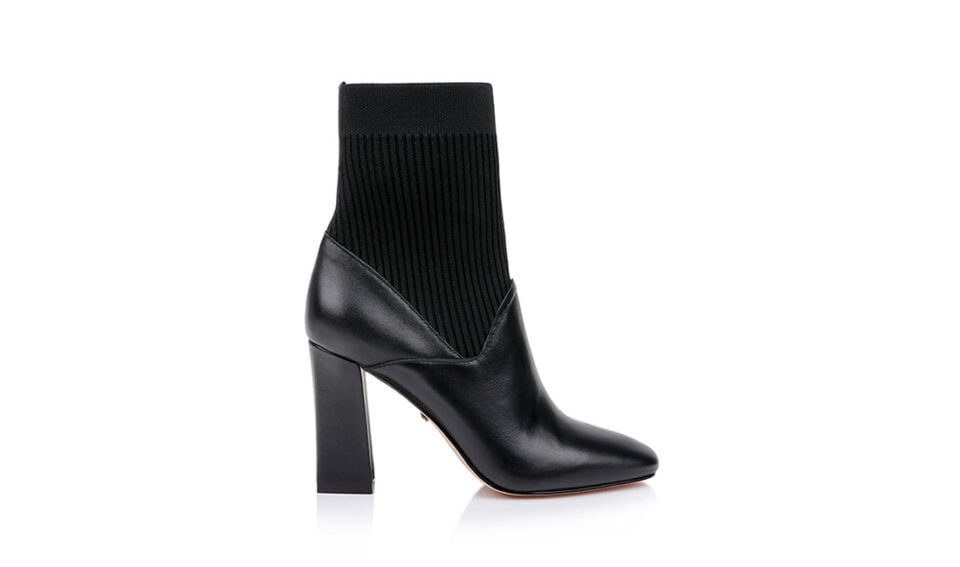
Shoes are fashion staples that complement the way an outfit looks and feels. They add polish, structure, or softness to the overall look. The right pair really does make a difference if you’re dressing for comfort, work, or weekend plans. There are five shoe essentials in a typical capsule wardrobe: 1.Classic high heel 2.Comfortable pump 3.Stylish sandal 4.Boot 5.Versatile sneaker All these shoe types complement every woman’s seasonal style. Classic High Heels A classic pair features a pointed toe and either a stiletto or block heel. Most pairs come in neutral shades, such as black, nude, and beige, that never go out of style. Classic heels fit formal occasions, professional settings, and evening events. They’re also perfect for weddings, corporate meetings, and exclusive dinners. You can pair classic heels with tailored dresses, pantsuits, or even denim. Neutral colours make them easy to coordinate with patterns or bold accessories. Leather and suede materials provide durability, comfort, and a premium appearance. Patent leather adds shine suitable for statement heels, slingbacks, or closed-toe stilettos. Classic high heels stay relevant in timeless fashion. The style adapts to trends without losing its original purpose as formal footwear. Comfortable Pump A comfortable pump features moderate heel height, a cushioned insole, and reliable support. Pumps are perfect for the office, meetings, or an evening dinner. The comfort factors include width options, breathable lining, and a firm arch support. It helps reduce foot strain during long wear. Kitten heels and block-heel pumps give extra stability without sacrificing a lustrous look. Check for arch support and sturdy heel construction when buying. Some orthopedic fashion shoe brands, such as Dr. Comfort, Vionic, and Aetrex, focus on comfort-first design. Choosing a pump with ergonomic features supports posture. It keeps feet relaxed through busy workdays or social events. A comfortable pump remains an essential piece in any shoe collection, especially for workplace fashion. Stylish Sandals Stylish sandals combine comfort and fashion for the warm weather. The six common types are strappy sandals, slides, espadrilles, gladiator sandals, platform sandals, and thong sandals. These shoes are perfect for summer gatherings, beach trips, or relaxed weekends. Details of strappy sandals are ideal for garden parties or casual dinners. Slides offer quick wear for errands or poolside lounging. Espadrilles match laid-back outdoor events and work well for beach towns and resorts. Foot support, sole material, and breathability matter for long wear. Look for sandals with a cushioned sole and quality straps to avoid discomfort. They are easy to pair with breezy summer dresses, classic shorts, or wide-leg linen pants. Light colours or woven textures blend well with floral prints or pastel outfits. Gladiator sandals make a bold statement with shorts or denim skirts. Platform or thong sandals suit flowing maxi dresses. Essential Boots There are three types of essential boots every woman should own. Ankle boots for daily wear, knee-highs for a dramatic look, and Chelsea boots for versatility. Each pair works well across different seasons: Ankle boots handle fall layers and mild winter days. Knee-high boots add warmth and style during colder months. Chelsea boots cover spring transitions when the weather shifts between cool and warm. Pay attention to calf circumference to avoid tight fits when picking boots. Heel height should match how much walking or standing you do each day. The toe box shape affects comfort and style. Choose one that suits your foot shape and outfit plans. Wear ankle boots with skinny jeans tucked in or leggings for clean lines. Knee-high boots pair well with skirts and layered tights for extra warmth. Chelsea boots adapt easily from jeans to dresses. Close style relatives include combat boots, hiking-inspired pairs, and vegan leather shoes. Versatile Sneakers Versatile sneakers integrate comfort and modern style. There are three popular types: classic white leather sneakers, athletic leisure, and slip-ons. Keep at least two pairs to switch between errands and relaxed days out. Sneakers fit many settings, such as travel, quick outings, casual meet-ups, and some business casual offices. The key features of sneakers are arch support, versatility, and ease of cleaning. There are sustainable sneakers as well, such as Veja, Cariuma, and Allbirds. Wear white sneakers with jeans for a clean look or mix them with midi skirts for a balanced contrast. You can also style sneakers with dresses. Designer collabs or retro sneakers add unique options for collectors and trend followers. Building Your Collection: Tips for Choosing Quality \& Longevity Here are some tips for choosing quality and longevity when building your shoe collection: ●Neutral Colors First: Pick base colours like black, beige, taupe, or white. These shades work well with capsule wardrobe ideas and closet organization plans. ●Focus on Materials: Compare leather and synthetic options. Leather lasts longer and breathes well. Look for soft linings that help feet stay dry and comfortable. ●Craftsmanship Details: Check stitching for strength and test the sole for flexibility. Choose shoes with comfort tech that supports daily wear. ●Budget Smart: Spend more on shoes worn often, such as classic pumps, sneakers, or boots. Save on trendy pairs worn less, such as sandals and high heels. This keeps fashion budgeting clear and practical. ●Maintenance Tips: Use shoe accessories like shoe trees and quality shoe care products. Keep suede cleaners and polish handy. Store each pair properly to keep them looking new.
Every step starts with the sole under your shoe. Shoe sole type shapes comfort, grip, durability, and how well your footwear handles different conditions. From flexible EVA foam to sturdy rubber and classic leather, each material brings something different to the table. That mix changes how shoes feel and perform in real life. This guide highlights the most common types of shoe soles and what sets them apart. Expect a look at materials like polyurethane, crepe, and cork nitrile and how they affect traction, weight, and wear resistance. You’ll also get the basics on shock absorption, slip resistance, and flexibility—the science behind everyday comfort. If you’ve ever wondered why running shoes feel so different from work boots, this might clear things up. What Are Different Types of Shoe Soles? There are 7 different types of shoe soles are as below: 1.Rubber Soles: Rubber soles are outsoles made from natural or synthetic rubber. They are commonly used for casual, athletic, and outdoor shoes because of their flexibility, durability, and strong grip. 2.Leather Soles: Leather soles are outsoles crafted from layers of treated animal hide, typically cowhide. They are commonly used in formal and dress shoes for their elegant appearance and breathability. 3.EVA Soles: EVA soles are constructed from ethylene-vinyl acetate, a closed-cell, polymer-based foam known for its superior cushioning, low weight, and resilience. EVA soles are the mainstay in sports and running shoes. 4.PU Soles: PU soles are constructed from polyurethane, a polymer material produced by the reaction of polyols and diisocyanates. 5.TPR Soles: 6.Crepe Soles: Crepe soles are shoe outsoles made from coagulated natural rubber with a distinctive crinkled, textured appearance, known for their flexibility and comfort, especially in casual and desert boots. 7.PVC Shoe Soles: PVC shoe soles are made from polyvinyl chloride, a type of plastic material known for its durability, water resistance, and affordability, commonly used in a variety of shoes, especially rain boots, sandals, and budget-friendly footwear. Rubber Soles Rubber soles use natural or synthetic rubber compounds like styrene-butadiene rubber (SBR) or ethylene-propylene-diene monomer (EPDM). These compounds usually fall between 60 and 75 Shore A in hardness, striking a balance between flexibility and resistance to wear. Rubber stays elastic from −20°C to 120°C, so grip remains steady on wet or dry ground. The coefficient of friction generally ranges from 0.6 to 0.9, depending on tread depth and design. Lug or herringbone tread patterns are common, boosting surface contact and channeling water away. This helps cut down on slips. Leather Soles Leather soles come from full-grain or top-grain cowhide, tanned with vegetable or chrome methods. Most leather soles measure 3–5 mm thick, weighing in at about 0.9 g/cm³. Leather’s porous nature lets it breathe a bit, helping with moisture control. Vegetable-tanned leather has a tensile strength of 15–25 MPa, so it holds up under moderate stress. Manufacturers compress layers of tanned hide and stitch them to the shoe upper. The smooth surface offers minimal traction (friction coefficient ~0.4), which works for indoor or formal settings. Dress shoes often use leather soles for their classic look and ability to shape to your foot. But these soles soak up water and wear down faster on rough ground, so they need periodic replacement or resoling. EVA Soles EVA (ethylene-vinyl acetate) soles are lightweight foams, usually 0.15–0.25 g/cm³ in density and 45–60 Shore C in hardness. Their closed-cell structure traps air, making them shock-absorbent and flexible. EVA compresses under pressure, cutting impact forces by up to 30% compared to rubber. That’s why running shoes and sandals often use it. The material works well between −30°C and 80°C, holding onto its bounce. Manufacturers mold EVA by injection or compression, sometimes pairing it with rubber outsoles for traction. After 500–800 km of running, EVA’s resilience fades due to cell wall fatigue. EVA excels in lightweight footwear where cushioning matters more than longevity. Its low abrasion resistance (wear loss >350 mm³) means it’s not great for heavy-duty shoes. PU Soles PU (polyurethane) soles use microcellular foam, with density from 0.3–0.6 g/cm³ and hardness around 70 Shore A. The urethane linkages in PU make it flexible and resistant to chemicals. PU keeps its shape between −20°C and 100°C, so it works in many climates. Abrasion resistance sits at 150–200 mm³, and the compression set is below 5%, so the sole bounces back after stress. Manufacturers cast or inject PU directly onto uppers, creating a seamless, water-resistant bond. The fine cell structure adds insulation, keeping feet warmer in cold weather. Work boots and safety shoes often use PU for its comfort and toughness. However, breathability is limited, and humid conditions can cause hydrolysis, leading to surface cracks over time. TPR Soles TPR (thermoplastic rubber) soles blend rubber and plastic polymers like styrene-ethylene-butylene-styrene (SEBS). Most TPR soles rate 60–70 Shore A in hardness and about 1.05 g/cm³ in density. TPR softens above 80°C and stays flexible down to −25°C, adapting to the seasons. Tensile strength ranges from 6–10 MPa, and elongation at break can hit 400%—not bad for shock absorption. Manufacturers use injection molding to create detailed tread patterns, boosting slip resistance (friction coefficient around 0.7 on dry surfaces). Casual shoes, kids’ footwear, and budget boots often use TPR. It grips well and handles moderate wear, but can get slick on oily floors and lose elasticity with too much UV exposure. TPU Soles TPU (thermoplastic polyurethane) soles use segmented polymers from diisocyanates and polyols. They’re tough, with tensile strength at 25–35 MPa and hardness at 85–95 Shore A—more rigid than EVA or PU. TPU holds elasticity up to 120°C and resists abrasion below 80 mm³, making it a favorite in high-performance footwear. The density, 1.2 g/cm³, adds weight but boosts stability. This material’s structure gives high rebound energy (over 60%), so energy return is strong during movement. Many TPU soles look glossy or even transparent, adding a unique style. Running shoes and safety shoes turn to TPU for durability and traction. The trade-off is less flexibility in the cold and a higher price compared to EVA or PU. Crepe Soles Crepe soles come from coagulated natural latex rubber sheets, with density near 0.95 g/cm³. The bumpy texture forms as latex gets pressed and air-dried, creating a soft, cushioned feel. Natural latex stretches well (elongation at break of 700–800%) and stays soft at about 45 Shore A. Crepe works best between 0°C and 40°C, but cold weather can stiffen it up. The open-pore design offers decent grip but tends to collect dirt, which can lower traction. Manufacturers usually glue crepe soles to leather or canvas uppers. Desert boots and casual shoes often use crepe for comfort and a natural vibe. On asphalt or in heat, the soles wear down quicker and soften, so they’re best for moderate use. PVC Shoe Soles PVC (polyvinyl chloride) soles use thermoplastic materials, with density from 1.2 to 1.4 g/cm³ and hardness at 70–85 Shore D. Plasticizers like dioctyl phthalate (DOP) tweak flexibility. PVC stands up to water and chemicals, resisting oil, acid, and alkali exposure. It works between −10°C and 60°C, but gets brittle if it’s too cold. Manufacturers use injection molding and add tread patterns for better slip resistance. Abrasion resistance lands at 250–300 mm³, so these soles fit low-cost, water-resistant shoes. Rain boots and work shoes often use PVC for moisture protection. Limited flexibility and poor grip on smooth or oily surfaces hold it back, though, thanks to the rigid molecular structure. What Are Key Performance Factors of Shoe Soles Shoe soles perform best when they balance durability, comfort, traction, flexibility, and shock absorption. These qualities depend on material, thickness, tread, and the shoe’s purpose. The right mix affects how long shoes last, how they feel, and how safely they grip surfaces. Durability Durability shows how well a sole resists wear and keeps its shape. Hardness, density, and resistance to the environment all play a part. For instance, rubber compounds at 60–75 Shore A outlast softer foams on rough ground. Thermoplastic polyurethane (TPU) offers high tensile strength—often 30 to 45 MPa—so it keeps its form under stress. TPU also resists oils and solvents, making it a solid pick for industrial or outdoor use. Deep tread grooves (3–5 mm) distribute pressure, slowing surface wear. But thicker soles add weight, which can make shoes less comfortable. Shoe makers juggle these trade-offs depending on the shoe’s purpose. Comfort Comfort comes from how the sole spreads body weight and adapts to foot movement. EVA and memory foam polyurethane offer low-density cushioning (typically 0.15–0.25 g/cm³), easing pressure on the heel and forefoot. EVA compresses a bit under load, shaping to the foot while staying springy. A midsole thickness of 10–20 mm usually gives enough support without making the shoe bulky. Leather or rubber soles, being less elastic, feel firmer and sometimes need extra insoles for comfort. Temperature and moisture matter, too. Open-cell foams let air flow, keeping inside temps under 35°C during long wear. Getting the right mix of softness, breathability, and structure keeps feet happy whether walking, running, or standing. Traction Traction is all about how well a sole grips and prevents slipping. Tread shape, rubber mix, and surface contact area all matter. Outsoles with multi-directional lugs (2–6 mm deep) boost grip on uneven ground by adding friction points. Rubber compounds with a coefficient of friction (COF) above 0.6 do well on dry concrete. Softer, tackier rubbers hold grip on wet or smooth floors. In winter, silica-infused blends keep rubber flexible and grippy even below 0°C. Designers tweak tread spacing to shed mud or water. Wider channels help outside, but may lower stability indoors. Running shoes, hiking boots, and dress shoes each get tread patterns that fit their needs. Flexibility Flexibility shows how easily the sole bends with your foot. EVA, TPR, and microcellular polyurethane offer bending stiffness around 0.4–0.8 N·m, letting my feet move naturally. Flex grooves (usually 2–4 mm deep) guide bending at the ball of the foot, making walking smoother. Thicker soles resist bending, so many shoes taper from 8 mm at the toe to 20 mm at the heel to keep flexibility where it counts. TPU stays flexible from -20°C to 80°C, making it a good year-round choice. Softer, more flexible materials often wear faster, so there’s always a trade-off between comfort and durability. Shock Absorption Shock absorption helps reduce the force that hits joints during walking or running. The midsole’s ability to compress and bounce back plays a big role here. EVA and MD (modified EVA) foams can soak up about 30–40% of impact energy because of their closed-cell structure. These materials cushion the heel and knees, cutting down on repetitive stress. Air-cushion systems or gel inserts add extra damping by spreading impact across a wider area. A heel drop of 8–12 mm shifts some load from the heel to the forefoot, giving a bit more energy return as you move. Thicker cushioning can dull ground feel and make shoes less stable. Designers usually mix EVA midsoles with TPU stabilizers to keep things cushy but still supportive for high-impact activities. How To Choose the Right Sole for Your Needs Picking the right shoe sole really comes down to where and how you’ll wear the shoes. The material and tread pattern change grip, comfort, and weight—directly affecting support, traction, and durability. Matching these features to your activity leads to better stability and longer-lasting shoes. Everyday Footwear For daily walking or standing, soles need to feel comfortable and bend easily. Ethylene vinyl acetate (EVA) and polyurethane (PU) are the usual picks. EVA, with a density range of 0.10–0.25 g/cm³, keeps things light and cushioned. Because it compresses under pressure, EVA cuts down on foot fatigue through the day. Polyurethane soles, denser at 0.30 -- 0.45 g/cm 3, handle abrasion and keep their shape even after a lot of use. The closed-cell structure stops water from soaking in—less than 1% by volume—so shoes stay dry in a light rain. Designers usually go for shallow tread patterns, about 1–2 mm deep, which help with flexibility on smooth floors or pavement. The downside? Traction drops on rough ground. These soles fit best on office shoes, casual sneakers, or slip-ons for flat surfaces. Athletic and Outdoor Shoes Running, hiking, and field sports need soles with good grip, shock absorption, and stability. EVA midsoles often show up in running shoes because their low density keeps the total weight under 350 g per pair. The compression ratio—about 25–35% under 10 kg load—means energy returns evenly as you move. Hiking or trail shoes usually use Vibram soles or similar rubber blends with carbon and a Shore A hardness of 70–75. This makes them last over 500 km outdoors. Deep lugs, around 4–6 mm, clear debris and grip well on wet or rocky trails. Polyurethane-blend boot soles resist oil and stay flexible down to –20°C, so they don’t crack in cold weather. They weigh more than EVA but deliver better traction and stability for rough outdoor conditions. Formal and Dress Shoes Dress shoes focus on looks and structured support. Leather and Dainite soles show up the most. Leather soles, usually 3–5 mm thick, let air flow through natural pores, keeping inside humidity below 60%. Smooth surfaces mean these soles shine on dry, even floors. Dainite soles use vulcanized rubber with round studs 2–3 mm high for better grip without ruining a formal look. The rubber’s tensile strength—about 10–15 MPa—prevents tearing at the ball of the foot. Goodyear welt construction, with stitching joining the upper, welt, and sole, lets owners resole shoes and keep their shape for years. While these soles flex less than EVA or PU, they last longer and resist moisture—ideal for business or formal wear.
Mules and slides are timeless go-to staples in women’s wardrobes because these backless shoes are comfortable and easy to wear. Yet, many people still confuse the two, which raises the question: what exactly sets these popular shoe styles apart? Should you reach for a pair of mules, or are slides the better fit for your lifestyle? In this guide, we’ll break down the key differences between mules and slides. Then, we'll help you decide which option works best for your needs and fits your personal style. What are Mules? Mules are typically closed-toe shoes characterized by a backless design that exposes the heel. The structured style is suitable for the office and formal events, but also works for casual outfits, as it comes in both heeled and flat versions. The ancient Romans were the first people known to use footwear resembling the modern mule, but it wasn't until 16th-century French aristocrats wore them indoors that the design became popular. In the 18th century, the shoe evolved into the fashionable woman's relaxed but elegant show of choice. By the 20th century, mules came and went with the trends, and in the 2010s, reemerged along with the popularity of minimalist fashion. What are Slides? Slides are a type of backless, open-toe shoe with one or more wide straps running across the top of the foot. Due to the laid-back nature and simple design of the slip-on footwear, they're usually paired with casual outfits. Ancient Greeks and Egyptians wore slide-like sandals with similar-looking straps, but it wasn't until the 1970s that the modern design gained popularity. The rubber slides were originally created for athletic use, but have since become staples in everyday fashion. Mule vs Slides: What's the Difference The following are the differences between mules and slides. ●Toe: Mules offer more coverage at the front part of the foot because of their closed or pointed toe design. Meanwhile, slides are open-toe footwear with a band across the top of the foot that leaves the toes exposed. ●Heel: Mules come in a variety of heel length options, including flats, kitten, block, and stiletto. Slides, on the other hand, are usually flat for ease of wear and comfort when walking around the city all day. ●Vamp: Mules have a vamp that often reaches the instep and covers more of the foot. In comparison, slides have a lower vamp because the straps across the top of the foot offer less coverage. ●Occasions: Mules are suitable for both casual and formal occasions because their polished look and premium materials make these shoes versatile enough to go from day to night. Meanwhile, the relaxed and casual style of most slides is ideal for lounging by the pool, going to the beach, or running errands. ●Ease of use: Mules, while still relatively easy to slip on, require more effort to wear and keep on the foot because of the higher vamp, pointed-toe style, and heels. The open-toe and lower vamp design of slides makes them easier to slip on and comfortable to wear for longer periods. Similarity The following are the similarities between mules and slides. ●Backless: Both mules and slides are backless shoes, a strapless design that leaves the heel uncovered, thus adding comfort and breathability to these stylish footwear options. ●Slip-on shoes: Both styles are slip-on shoes meant to be worn by sliding the foot in with ease. This design choice aids those with limited mobility who have difficulty wearing enclosed shoes or footwear with slingback straps. ●Versatile: Mules are considered more suitable for formal occasions because of the higher vamp and heel, but if a slide is made from premium materials and if the sole has a sleek design, it can evolve into a semi-casual outfit staple. FAQ What is the difference between slides and slippers? The differences between slides and slippers include design, intended use, material, and structure. Slides are backless, open-toe shoes with one or more straps on top of the foot, while slippers are closed-toe and may or may not be backless. Slides are meant to be worn outside and are usually made from rubber, foam, or leather. Meanwhile, slippers are intended for indoor use and made from more delicate materials like memory foam, wool, or fleece. Are slides the same as flip flops? No, slides are not the same as flip flops. Slides have wide straps across the top of the foot, while flip flops have a Y-shaped strap with a toe separator that goes between the big and second toe. Slides are the more stylish option because you can dress them up, while flip flops are usually worn in informal settings like the beach. What's the difference between a clog and a mule? The differences between a clog and a mule include the design, structure, and style of the footwear. Mules are closed-toe, backless shoes made from materials such as soft suede, leather, and fabric, and are versatile enough to go from day to night. Clogs are almost always closed-toe and may or may not be backless. Their sturdy soles, made from wood, plastic, or rubber, provide foot support. How are mules different from loafers? Mules are different from loafers because they're backless, slip-on shoes that can be dressed up or down depending on the occasion. Meanwhile, loafers are traditional enclosed shoes that belong in a professional or formal setting.
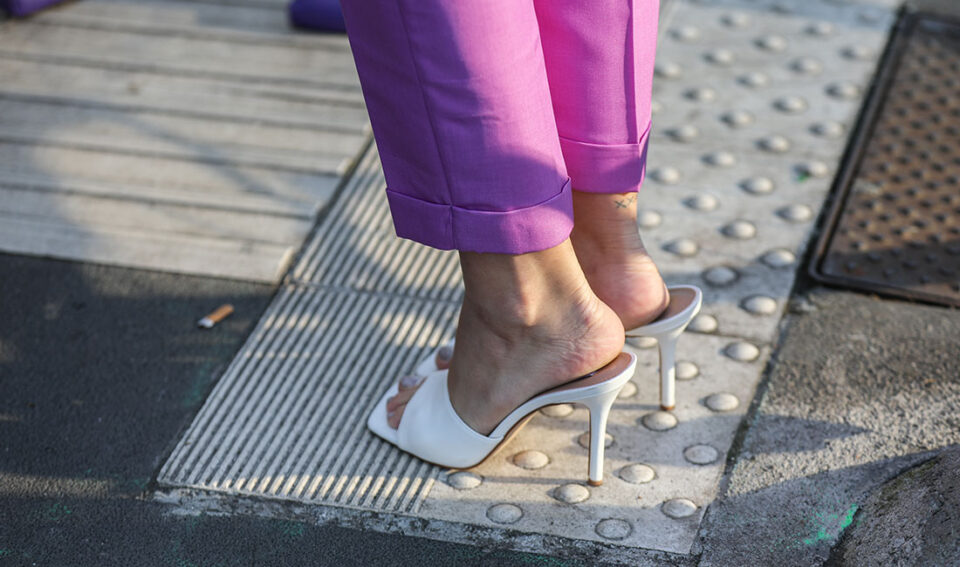
These days, shoes are more than just something you need; heeled mules are a great example, thanks to their modern look. Simply put, they combine the elegance of heels with the ease of slip-on design of mules. Heeled mules have become a go-to choice for many because they’re both stylish and easy to wear. The open back makes them simple to slip on. This mix of comfort and style means you can count on them for both casual and dressy occasions. Heeled mules work just as well on the runway as they do in everyday life. You can wear them with work clothes or with something more relaxed on the weekend. Versatility is a reason why they’re so popular, and brands are coming up with new styles, colors, and materials to keep things fresh. Heeled mules have stuck around for a reason—they’re not just a passing trend. The easy slip-on design is practical, and the sleek look keeps them on-trend. Visual: Hero image with fashion-forward heeled mules. What are Heeled Mules? Heeled mules are backless shoes with closed toes that feature an elevated heel. They slip on easily and are designed without a strap or constraint around the heel or ankle. What makes heeled mules stand out is their backless, easy-on style, which has played a significant role in fashion for decades, making them a reliable choice for women. Visual: Simple product shot or usage animation. The Evolution of Heeled Mules: From Historical Roots to Modern Must-Have The story of heeled mules dates back to the 18th century, when they were often worn in the boudoir as a symbol of refinement and femininity. Early versions were elegant yet private, designed for style within the home rather than for public fashion. By the mid-20th century, heeled mules rose in Hollywood glamour. The Designers began experimenting with new shapes and materials, making mules accessible beyond boudoir wear. Today, the continued presence of heeled mules in fashion shows and street style demonstrates their trend longevity, not just a passing phase, but a piece of historical footwear that has evolved culturally, from vintage icons to modern designers. What are the Different Types of Heeled Mules? Heeled mules come in many variations, and women have plenty of options to match their personal style and comfort preferences. It usually depends on the materials used, the shape of the heel, and the design of the toe. By Materials Leather mules – Durable, polished, and suitable for both office and evening wear. Suede mules – Soft and textured, perfect for adding a touch of luxury to casual outfits. Fabric or synthetic mules – Lightweight, breathable, and affordable, making them versatile for daily use. By Heel Shape Block heel mules – Stability and comfort while still looking chic. Stiletto heel mules – Sleek and glamorous, best for dressy occasions. Wedge heel mules – Add height with extra balance, ideal for longer wear. By Toe Design Open-toe mules – Great for warmer weather Closed-toe mules – Polished and professional, suitable for work settings Peep-toe mules – Balance between open and closed designs. What are Mule Heel Shapes? Mule heels come in a variety of shapes, each offering a different balance of comfort, height, and style. Choosing the right heel shapes to match their footwear with both the occasion and their personal taste. Block Heel Mules – Stability heels that have a wider base make them perfect for daily wear. Stiletto Heel Mules – Slim and elegant, ideal for formal events. Kitten Heel Mules – Short and feminine, offering a touch of height without sacrificing comfort. Wedge Heel Mules – Heels that provide extra balance, making them great for long wear. Platform Heeled Mules – Thicker sole paired with a heel, giving height while reducing foot strain. Sculptural/Geometric Heel Mules – Modern and artistic, use creative shapes to turn footwear. What are Mule Heels with different toe designs? Mule heels also vary based on their toe designs, offering women options that suit both comfort and style, and influence how the shoes look and feel, and are adaptable to different occasions. Peep-Toe Heeled Mules – Playful and breathable touch, making them perfect for warmer weather or casual outings. Closed-Toe Heeled Mules – Coverage at the front, great for office wear or formal settings where a refined style is needed. Choosing Your Perfect Pair: Fit, Comfort, and Practicality Finding the right pair of heeled mules is not just about style—it also ensures proper fit and long-term comfort. The following tips can guide you in making the best choice: 1.Check the Fit – Always try on heeled mules and make sure your feet do not slip out easily. 2.Consider Foot Health – Look for designs with cushioned insoles or arch support. Reduce strain and keep your feet comfortable, even during long wear. 3.Assess Heel Height – Choose a heel height that you walk in confidently. Higher heels may look stylish, but moderate heels provide a balance of elegance and stability. 4.Look for Comfort Technology – Modern mules like padded soles, flexible materials, or shock-absorbing heels. 5.Think About Occasion – Select styles that match your lifestyle. Closed-toe mules for work, open-toe for casual events, and sleek designs for evening outings. Visual: Infographic or annotated photos. Comfort Essentials: Support and Cushioning Quick Tip: When you're choosing heeled mules, look for pairs that offer proper arch support and added padding. These features not only comfort but also help prevent strain during long hours of wearing.
When you pick a new pair of shoes in the store, you may notice small shapes on the shoe labels inside the lining, or even on the box of the shoes. Those small shapes are called shoe material symbols. Shoe material symbols show the type of materials used to make those shoes. Material symbols provide customers with information about the materials used to make footwear. This helps customers make purchasing decisions based on their preferences, ethical concerns, and quality. Symbols also guide customers on the correct way to care for shoes, which prevents damage. In the footwear industry, shoe symbols build trust since brands and manufacturers use them globally. This guide will explain different shoe material symbols, their meaning, and their importance. For each symbol, we will look at the shoe material it represents and where the symbol appears on the shoe. What Are Shoe Material Symbols? Shoe material symbols are small icons or pictograms found on shoe labels, boxes, or product descriptions to show the materials used to make each part of the shoe. Shoe material symbols are used by shoe brands or manufacturers to inform customers about the materials used in the shoe's upper, lining, and sole. Each symbol tells you the material used to make part of the shoe. For example, a hide-shaped icon means leather, and a grid pattern means textile material. Other symbols show synthetic materials or rubber. Because material symbols are standardized, they are the same in the footwear industry and in different countries. This makes it easy for customers to recognize and understand them, no matter where you are. Shoe material symbols are found on shoe labels, boxes, or in the online product listing. Recognizing them helps you understand shoe quality and make better buying decisions as a customer. Why Symbols Are Used in Footwear Shoe material symbols are used in the footwear industry because of the following reasons: ●Regulatory requirements. In regions like Europe, the use of shoe symbols is required by the law under EU Directive 94/11/EC. International standards like ISO also have rules about how materials must be identified. ●Consumer transparency and trust. Symbols allow customers to know what the shoes are made of. This builds trust between customers, retailers, and manufacturers. Also, symbols inform customers about the correct way to care for their shoes. ●Universal communication. Symbols use images instead of words, so they can be understood across different languages and countries. Types of Shoe Material Symbols Shoe material symbols are grouped into three main categories based on the part of the shoe they represent: ●Upper: the outer surface of the shoe that covers the top of the foot and extends up to the ankle. ●Lining and sock: the inner lining and insole area that comes into direct contact with the foot. ●Outer sole: the bottom part of the shoe that makes contact with the ground. Within each part, the symbols show the type of material used. Common materials include leather, coated leather, textile, synthetic, or rubber. Symbols for Upper Materials The upper is the part of the shoe that covers the top of the foot and extends up to the ankle. Symbols for upper materials tell you what the outside of the shoe is made from. Common Upper materials and their symbols include: ●Leather: shown by a hide symbol. ●Coated leather: represented by a leather hide symbol with a diamond inside. ●Textile: shown by grid or woven pattern. ●Synthetic: represented by a diamond-shaped symbol. On shoe labels, these upper material symbols usually appear in the first section. They are clearly separated from the lining and sole information. Symbols for Lining and Sock The lining and sock are the parts of the shoe that come into direct contact with your foot. Symbols for these parts show the materials used inside the shoe. Knowing those inside materials helps you understand comfort, breathability, and care needs. Common materials and their symbols include the following: ●Leather: represented by a hide icon. ●Textile: shown by a small grid or a woven pattern. ●Synthetic: represented by a diamond-shaped icon. Lining and sock symbols usually appear in the middle section of the label, and they are separated from the upper and sole materials. Symbols for Outer Sole The outer sole is the bottom part of the shoe that touches the ground. Symbols for the sole show material used to make the bottom part of the shoe. Knowing material helps you know about the shoes' grip, durability, and flexibility. Common materials and their symbols include: ●Rubber and synthetic materials: represented by diamond-shaped icons. ●leather: shown by the hide icon. Outer sole material symbols appear in the last section of the label. Shoe Materials and Their Symbols Common shoe materials and their symbols include the following: ●Leather → hide icon ●Coated leather →hide icon with a small diamond inside ●Textile → grid or woven pattern ●Synthetic →diamond-shaped icon ●Rubber →diamond-shaped icon Understanding these symbols will help you know the features, uses, and care instructions for each material. Leather Symbol The leather symbol, represented as a hide icon, indicates that a part of the shoe is made from genuine leather. Leather is known in footwear for its durability, comfort, and premium feel. Leather is breathable, allowing air circulation. Leather is commonly used for uppers, linings, and sometimes soles in high-quality shoes. Here are ways to care for your leather shoes: ●Polishing: keeps the leather smooth and shiny. ●Waterproofing: Apply specialized sprays or creams to protect leather from water damage. ●Storage: Keep shoes in a cool, dry place to maintain shape and quality. Coated Leather Symbol The coated leather symbol uses the leather hide icon with a small diamond inside. The symbol shows that the material is leather with a surface coating that is more than 0.15mm in substance. But the substance does not exceed more than one-third of the total thickness of the leather material. The coating used is often made of synthetic substances. Compared to genuine leather, coated leather has a lower price and has limited breathability. Coated leather is used in shoes where appearance and durability are more important than premium comfort. Textile Symbol The textile symbol, shown as a small grid or woven pattern, indicates that a part of the shoe is made from fabric material. Textile materials are lightweight, flexible, and breathable, making them comfortable for everyday wear. Some shoes even use eco-friendly fabrics like organic cotton for a more sustainable option. Here is how to care for your textile shoes: ●Clean gently with a soft brush or a damp cloth to remove dirt. ●Avoid soaking in water, which can damage the fabric. ●Let shoes air dry naturally and store shoes in a cool, dry place. Synthetic Symbol The synthetic symbol, shown as a diamond-shaped icon, means that a part of the shoe is made from man-made materials instead of leather or textile. Man-made materials used to make shoes include many plastics and polymers such as PU, PVC, and EVA. Synthetic materials are affordable, waterproof, and durable. These features make synthetic materials a popular choice for casual and athletic footwear. But synthetic materials are less breathable compared to natural materials. Care tips for synthetic shoes include the following: ●Wipe clean with a damp cloth to remove dirt or stains. ●Avoid exposure to high heat, which can damage the shoes. ●Store in a cool, dry place to maintain shape and lifespan. Rubber Symbol (for soles) The rubber symbol, shown as a diamond-shaped icon, indicates that the outer sole of the shoe is made from rubber. Rubber, synthetic leather, non-textile materials, non-animal-derived materials, and other man-made materials all fall into the category of “other materials”, which are represented by the diamond-shaped icon. Rubber soles provide high grip, durability, and flexibility. This makes them popular for athletic shoes, casual footwear, and outdoor use. Care tips for rubber soles: ●Remove dirt or mud with water and a soft brush. ●Avoid prolonged exposure to extreme heat, which can cause cracking or warping. ●Check regularly for wear, especially the heel and front, to maintain traction. FAQs about Shoe Material Symbols Are synthetic shoes good quality? Yes, synthetic shoes can be good quality, depending on the material and construction. Synthetic shoes are lightweight, water-resistant, and more affordable than natural materials. But the quality varies depending on the synthetic materials used and the manufacturer. Compared to high-quality leather, synthetic shoes are less durable and breathable. Which shoe material is best for sports? The best shoe material depends on the part of the shoe and the sport. For the upper, engineered mesh, knit fabrics, and synthetic leather are lightweight and breathable. This makes them ideal for running and training. Leather can be used in certain areas requiring extra durability, but it is heavier and less breathable. For the midsole, materials like EVA, PU, or premium foams like PEBA provide cushioning, shock absorption, and energy return. Rubber soles provide grip, durability, and traction. The combination of these materials ensures comfort, performance, and safety for different sports.
Understanding shoe sizes can feel confusing, especially when extra letters like “C” appear next to the numbers. The meaning of “C” changes depending on whether the shoes are made for children, men, or women. In this article, we’ll provide an overview of the different systems used to measure shoe size and explain what “C” stands for in the context of shoe sizing. We’ll also discuss how the shoe size is measured and provide tips for finding the right fit. Whether you’re shopping for yourself or for a child, understanding the meaning of “C” in shoe size can help you make informed decisions when it comes to purchasing shoes. Decoding “C" in Shoe Size The letter “C” in shoe sizing primarily denotes the width of the shoe for adults, while in children’s shoe sizes, it denotes the length. Shoe widths are used to accommodate variations in foot girth to ensure a comfortable fit. Width letters typically range from narrow to wide, and “C” is one of the standard width indicators. In many sizing systems, especially in the United States, the “C” width is commonly associated with a narrow or slightly narrow fit, depending on the shoe category. However, in children’s shoes, “C” may also be used to denote length, where it marks a “Child” size. In this case, the meaning shifts from “width” to “length”, depending on context. ●For children’s shoes, “C” stands for “Child” sizes, but when used in width, it typically indicates a standard or medium width. ●For men’s shoes, C indicates a wide width that is "narrow". ●For women’s shoes, “C” often represents a wide width, as women’s width lettering differs from men’s. It is important to note that the width of letters can vary by brand and region, so always consult specific manufacturer sizing charts when available. For children: What does C mean? For children's shoe sizing, C almost always refers to "child" sizing. C, unlike for men or women sizing, doesn't describe the width but the length category. C for children can range from 4C (for a child of approximately 2years old with a foot length of 11.4 cm) to 13C(for a child of 6-7years old with a foot length of 17.1cm). The switch from “C” to “Y” usually happens once a child grows out of little kid shoes, typically around size 10C–13C. After that, sizes start again at 1Y, 2Y, and so on, before moving into adult ranges. To make sizing easier, many brands publish children’s shoe charts by age. While every child grows differently, these charts help parents quickly match an approximate shoe size with their child’s age group. For instance: Size Foot Length (CM) Suitable Age 4C 11.4 Around 2 Years Old 5C 12.1 2 to 2.5 Years Old 6C 12.7 2.5 to 3 Years Old 7C 13.3 3 to 3.5 Years Old 8C 14 3.5 to 4 Years Old 9C 14.6 4 to 4.5 Years Old 10C 15.2 4.5 to 5 Years Old 11C 15.9 5 to 5.5 Years Old 12C 16.5 Around 6 Years Old 13C 17.1 6 to 7 Years Old This system allows caregivers to shop confidently, knowing that a “C” size is specifically for children. For Men: What Does “C” Mean? For men's shoes, the letter “C” no longer refers to children’s sizing. Instead, it is a width indicator. Shoe widths are marked with letters to show how wide or narrow the shoe is compared to the standard. ‘C‘ represents a narrow size mainly, but its exact meaning can vary by manufacturer and region. For men, the standard width is “D.” Full run might include B (extra narrow), C (narrow), D (medium/standard), E/EE/EEE (wide to extra wide). For example, a shoe labeled “9C” means men’s size 9 with a narrow width. This size is less common in stores, as most men’s shoes are stocked in standard width. People with narrow feet may need to special-order shoes in C width. Knowing about widths helps men avoid the common mistake of buying shoes that feel loose or unstable. If a shoe slides around on the foot even when the length is correct, a narrow width like “C” might be the right solution. For Women: What Does “C” Mean? The meaning of the letter "C" on women's shoes is less consistent than it is on men's shoes, and often depends on the brand. Most women's shoe manufacturers use the following scale to measure shoe width: ●AA – narrow ●B – standard ●D – wide ●EE/EEE – extra wide The letter C indicates that the shoe is narrow to medium width. The letter 'C' is not often used in women's shoes, but it is thought to be slightly wider than the usual B width, but narrower than the D width. Some European and specialist brands include the letter "C" to offer more options between B and D. For example, a shoe marked "7C" might be perfect for a woman who finds width B too narrow but width D too wide. The way people use the letter 'C' can also be affected by the area they live in. In some sizing systems outside the US, "C" may even represent different width increments. The size is not the same for everyone. It is always best for women to check the brand-specific width chart when "C" appears on the label. Why Shoe Width and the “C” Size Matter Shoe width is more than just a detail on the box it directly affects comfort, health, and durability. Here’s why the letter “C” and other width markings make a difference: ●Foot Health: Shoes that are too tight may cause blisters, bunions, or nerve pain. Shoes that are too loose can lead to instability, rubbing, and falls. ●Comfort: Correct width means the foot has enough room without sliding, reducing fatigue during walking or standing. ●Performance: Athletes rely on snug but supportive fits. Narrow widths improve control, while wider options give balance and stability. ●Longevity of Shoes: Shoes worn at the right width maintain shape and last longer, since the upper and sole do not stretch or collapse abnormally. ●Personal Fit: Every foot is unique. Width choices, including “C,” allow individuals to find shoes that feel made for them. How to Determine Your Correct Shoe Width To determine the right shoe width, it's important to try on shoes and consider particular width measurements because the width might differ between brands or regions. You can use 2 methods: at home or using the Bannock devices. ●At Home: a.Measure the Foot length: Use the rule to take the distance between the longest toe and the heel. b.Measure the Foot width: Measure across the widest part to the typical ball area of the foot. c.Compare with the Size chart: Use your measurements to match it with the reference brand's size chart. d.Take into consideration your foot shape: You might have high arches or flat feet, which can affect the fit beyond simple width measurements. ●Using a Bannock Device: Some shoe stores provide professional width measurements using Bannock Devices. It measures both length and width at once. Bannock Device is the most reliable and accurate way to determine the right shoes. Tips for Getting the Right Fit Shoes should be comfortable from the moment you first wear them. The right size ensures your feet are safe and comfortable. Here are four simple tips to help you choose the best pair. ●Differences between brands and materials: Not all brands size shoes the same way. A size 9C in one brand may be different in another. Always check the size guide for the brand you are buying. The material also affects the size of the shoes. Leather can stretch and adapt to the shape of your foot. Synthetic shoes don't stretch much, so they can remain tight. Mesh and knit shoes are more flexible and may be slightly wider. ●Tips for athletes: Athletes need shoes that fit well. Running and jumping put pressure on my feet. Shoes that are too tight can cause blisters. Shoes that are too loose can slip and cause injuries. If you have narrow feet, a “C” width may be more suitable than the standard width. Try on shoes in the afternoon when your feet are slightly swollen. This will give you a better idea of how they will feel during sports. ●Medical and age-related considerations: Feet can change with age. They may widen over time. People with bunions, swelling, or diabetes often need wider shoes to be comfortable. Wearing shoes that are the wrong width can cause pain and health problems. ●Ask the sales staff for help: When shopping in a store, ask for advice. The staff can measure your foot and suggest the most suitable width. They can also tell you if a shoe is narrow or wide. The right fit depends on the brand, material, activity, and your own feet. Taking the time to check these things will help you find comfortable and durable shoes. FAQ Is a C width wider than a D? No. A C width is narrower than a D width. In men’s shoes, D is the “standard” or “medium” width. C is one step smaller, made for people with slim feet. In women’s shoes, C is sometimes used to mean a fit that is a little wider than standard, but it is still not as wide as a D. Always check if the shoe is for men or women to understand the meaning of C. Are shoe widths the same across all brands? Not always. Shoe widths can change from brand to brand. One brand’s “C” may feel tighter or looser than another’s. This is why it is important to look at the size guide on the brand’s website before buying. When shopping in-store, try on the shoes to see how they feel, since sizing is not always the same. What do Y and T mean in children’s sizing? In children’s shoes, T means Toddler and is used for very small sizes. C means Child, used for preschool and younger kids. Y means Youth and starts when children outgrow the “C” sizes, usually around size 1Y. This system helps parents track growth and choose the right size at each stage.
in shSqueaky shoes are embarrassing, stressful, and distracting, especially in quiet places. Most common causes of squeaking in shoes are moistureoes, friction between the shoe components or with floor, worn out soles, stiff or dry materials, and poor fit. By fixing squeaking problems in shoes, you protect your public image, maintain healthy feet, and prevent further shoe damage. This guide explains the causes of squeaking and easy ways to stop your shoes from squeaking. Why Cause My Shoes Squeak? Your shoes squeak due to the following reasons: ●Friction between shoe components. Squeaking happens when the insole rubs against the outsole or when a loose sole or heel counter rubs against other parts of the shoe. In leather shoes, squeaking can happen when old or dry leather rubs against itself or other parts. ●Friction with floors. Smooth soles on hard surfaces like polished wood, tile, or linoleum, can cause squeaking when the shoe rubs against the floor with each step made. Moisture from dump shoes or floors make the squeaking sound louder. ●Moisture inside the shoes causes squeaking by increasing the friction between internal parts of the shoes. Friction occurs especially between the insole and outsole. As you walk, these damp surfaces rub against each other, producing the squeaking sound. ●Worn soles. Shoes with uneven wear or worn-out tread can produce a squeaking sound. This is because as a person walks, uneven parts of the sole move differently, causing friction. ●Poor fit. Shoes that are too big or too small can cause squeaks. A big shoe lets the insole move and rub against the shoe. A very tight shoe squeaks as shoe materials bend when you walk. How to Stop Shoes from Squeaking? Use the following " do it yourself" tips to stop your shoes from squeaking when you walk. These methods restore comfort and improve your confidence when you walk. Reduce Internal Friction There are two ways to avoid friction between the insole and footbed of the shoes: Sprinkling powders such as baby powder, talcum powder or cornstarch inside the shoe. First remove the insole, then sprinkle a small amount of powder onto the footbed. Spread the powder evenly so that it covers the main contact areas. Finally place the insole back into the shoe. If the Insole is not removable, sprinkle powder along the edges of the insole so that it flows underneath. The powder absorbs the trapped moisture, creating a dry layer, hence stopping friction. Applying a lubricant is another way to reduce internal friction and stop shoes from squeaking. Rub a small amount of petroleum jelly, silicone spray, or coconut oil on the edges of the insole using a cotton swab. By using lubricants, the insole moves quietly and smoothly instead of rubbing and squeaking. Address Sole-on-Floor Friction To fix squeaking caused by smooth soles on hard floors, lightly rub the bottom of the shoe with fine-grit sand paper. This roughens the sole and increases traction, preventing squeaking. You can break-in the new sole naturally by walking on rough surfaces like gravel or pavement. Over time, this wears down the smooth soles of new shoes. Also, the rough texture of gravel and pavement provides extra grip while walking. Manage Moisture Stop squeaking caused by moisture inside your shoes by drying them thoroughly, wearing socks, and using moisture absorbing materials. Moisture makes the insole and the sole rub against each other, which results in squeaking. Stuffing shoes with crumpled newspapers or paper towels and leaving them in well-ventilated areas makes them dry. Socks absorb sweat, hence reducing friction between your foot and the sole. Placing moisture-absorbing materials like silica gel inside your shoes keep your shoes dry when not in use. Treat the Shoe's Materials To stop squeaking caused by dry or stiff shoe materials, condition leather and apply wax to areas where friction occurs. Use a leather conditioner or saddle soap to moisturize and soften the leather material. Also, rub a bit of wax on areas where the upper material is rubbing together using a soft cloth. This prevents friction and rubbing caused by dry and old leather materials. Fix loose parts Examine your shoes carefully and secure any loose parts with a strong adhesive. Loose components such as insoles, heels, or decorations, can move or shift when you walk. This movement causes friction or rubbing between parts of the shoe, resulting in squeaking. Gluing these components back in place keeps the parts stable and prevents squeaking. FAQ for Specific Squeaking Problems How to stop new shoes from squeaking? To stop new shoes from squeaking, you have to first identify the cause. New shoes often squeak because of stiff materials, smooth soles, or friction from a loose insole. If the squeak comes from inside, remove the insole and sprinkle baby powder or cornstarch to absorb moisture. To deal with dampness, dry the shoes by taking out the insoles and stuff the shoes with newspapers when not in use. If the squeak is from the outside, roughen up the soles by rubbing the bottom of the shoe with fine-grip sand paper to increase traction. For a quick fix, rub a dryer sheet on the bottom of the soles. The conditioners in the sheeter can temporarily reduce the friction. How to stop rubber soles from squeaking? Rubber soles cause squeaking because they create high friction on smooth surfaces like polished wood, tile, or linoleum. This friction creates a "stick-slip" motion that causes squeaking. To fix this, scuff the soles with fine-grit sandpaper to add grip. You can also fix this naturally by walking on rough surfaces like pavement to add texture and reduce friction. How to stop leather shoes from squeaking? leather shoes often squeak because dry or stiff leather parts rub against each other, especially around the tongue and upper areas. To fix this, condition the leather. Remove the laces and apply saddle soap, leather conditioner, or a small amount of petroleum jelly to soften the leader and reduce friction. How to stop your tennis shoes from squeaking? Tennis shoes often squeak because of trapped moisture from sweat or the insole rubbing against the sole. To fix this, lift the insole and sprinkle baby powder or cornstarch underneath to absorb the moisture and reduce friction. You can also dry your shoes by removing the insoles and leaving them in a well-ventilated area. How to stop shoes from squeaking on the textile floor? Shoes can squeak on textile floors when the outsole is too smooth or stiff, or when moisture is trapped inside the shoe. To fix this, lightly sand the bottom of the outsole to add grip, or rub a dryer sheet or a small amount of soap on it to reduce friction. Also, make sure the inside of the shoe is dry to prevent squeaking from moisture.