
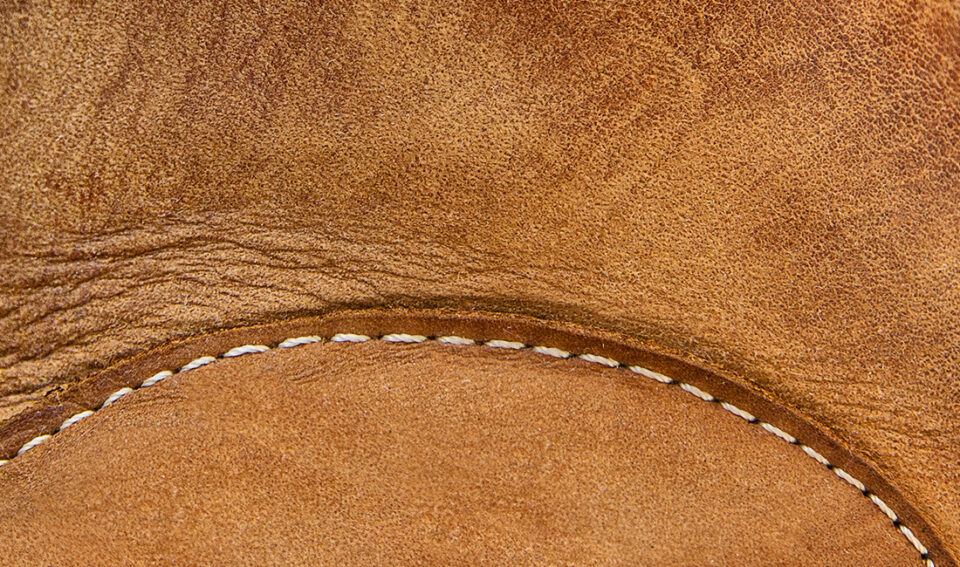
Leather is the single material that defines how a shoe looks, feels, ages, and sells. For brand founders, designers, and sourcing teams, choosing the right hide is not a cosmetic decision — it shapes durability, retail price, and brand perception from the first sample to the final shipment.
This guide walks through every major shoe leather type, finish, and tanning method, and shows how each choice connects to real production outcomes.
What Are the Main Types of Leather Used in Shoes?
Shoe leather falls into two broad categories:
- leather classified by hide grade (full-grain, top-grain, genuine, bonded)
- leather classified by animal source (calfskin, cowhide, goatskin, horsehide, exotics)
The grade determines durability and price; the source determines texture, weight, and end use.
How Are Leather Grades Ranked from Highest to Lowest Quality?
The grading hierarchy reflects how much of the original hide structure remains intact. The following list ranks the four standard grades from highest to lowest:
- Full-grain — the top layer with natural grain untouched; the strongest and most breathable.
- Top-grain — sanded and refinished surface; smoother but slightly less durable.
- Genuine (split) leather — inner hide layers; the marketing-friendly name disguises a lower tier.
- Bonded leather — shredded scraps glued together; suitable only for the lowest price points.
Brands often misread “genuine leather” as a quality endorsement when in fact it sits near the bottom of the scale. Working with an experienced OEM/ODM partner like Joes Footwear helps clients select the correct grade for their target market and avoid costly mismatches between brand positioning and material choice.
Which Part of the Hide Produces the Best Shoe Leather?
Not every section of a single hide carries the same quality. The butt and back yield the firmest, most uniform leather, the shoulder is slightly looser, and the belly stretches easily and shows the most defects. A full-grain belly cut can actually perform worse than a top-grain back cut, which is why disciplined cutting and quality control matter as much as the grade itself.
What Does Each Animal Leather Bring to Footwear?
Calfskin offers the finest grain and versatile elegance. Cowhide delivers rugged durability. Goatskin is lightweight with natural pebble texture. Sheepskin lines interiors for comfort. Shell cordovan resists creasing. Exotic skins like crocodile and python add luxury but require CITES certification.
The table below summarizes the main animal leathers used in footwear and their typical applications:
| Leather Source | Key Characteristics | Best Used For |
| Calfskin | Fine grain, soft, develops patina | Dress heels, pumps, loafers |
| Cowhide | Thick, rugged, durable | Boots, casual shoes |
| Goatskin | Lightweight, natural pebble | Sandals, summer styles |
| Sheepskin/Lambskin | Buttery soft, delicate | Linings, slippers |
| Shell Cordovan | Dense, crease-resistant, glossy | Premium dress shoes |
| Exotics (croc, python) | Distinctive texture, luxury appeal | Statement and evening shoes |
Why Is Calfskin Considered the Gold Standard for Dress Shoes?
Calfskin combines tight grain, balanced flexibility, and a refined hand feel that no other hide quite matches. It also develops a soft patina with wear, which is why it remains the default choice for premium women’s heels and pumps produced for international fashion brands.
When Should You Choose Goatskin or Sheepskin Over Cowhide?
Goatskin shines in sandals and lightweight summer footwear because it stays cool and flexible without sacrificing strength. Sheepskin and lambskin are softer and primarily used for linings, where comfort against the foot matters more than abrasion resistance.
What Makes Shell Cordovan a Premium Choice?
Shell cordovan comes from a dense layer of collagen fibers beneath a horse’s rump. Instead of creasing like ordinary leather, it forms gentle rolls that catch light beautifully. Its multi-month tanning process and limited supply place it firmly in the luxury tier.
What Regulations Apply to Exotic Shoe Leathers?
Exotic skins such as crocodile, alligator, lizard, and python must comply with CITES (Convention on International Trade in Endangered Species), while farmed species like ostrich are generally governed by standard import and export documentation rather than CITES permits. Buyers should always request farm-of-origin records and traceability documents before placing orders, since customs delays on undocumented exotics can derail entire shipments.
How Do Leather Finishes Change a Shoe’s Look and Performance?
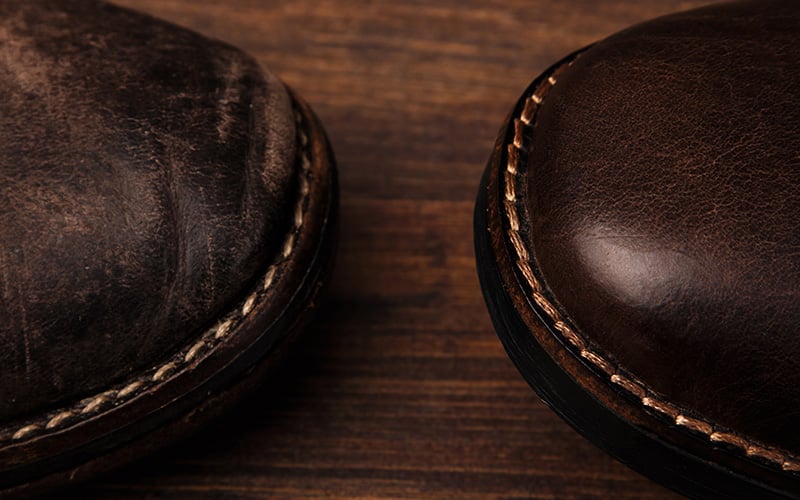
Finishes transform the same base hide into dramatically different products. Aniline preserves natural grain for a luxurious feel. Patent adds high gloss for evening wear. Oiled leather self-heals scratches for rugged boots. Embossing replicates exotic textures at a fraction of the cost.
What Is the Difference Between Suede and Nubuck?
Suede is sanded on the flesh side (inner surface) of the hide, while nubuck is sanded on the grain side (outer surface). The two look similar at a glance, but nubuck is denser, more water-resistant, and more durable because it retains the natural grain structure underneath the velvety nap.
How Does Oiled (Pull-Up) Leather Develop Its Character?
Pull-up leather is saturated with oils and waxes that migrate when the surface flexes. Light scratches buff out with a fingertip, and the leather darkens beautifully along stress points over time, making it a favorite for heritage-style boots.
What Is Action Leather and Why Do Factories Prefer It?
Action leather is a coated split leather often used for high-volume production. It cuts cleanly, hides defects, and can be embossed to mimic full-grain, nubuck, or even patent finishes — all at a fraction of the cost of premium hides. It’s a practical option when brands need to balance margin against perceived quality.
How Does the Tanning Process Affect Shoe Leather Quality?
Chrome tanning produces soft, vibrant leather in hours and, according to industry estimates, accounts for the large majority of global output. Vegetable tanning takes weeks but yields rigid, patina-developing leather prized in luxury shoes. The tanning method directly shapes a shoe’s feel, color depth, environmental footprint, and aging behavior.
What Is the Difference Between Chrome-Tanned and Vegetable-Tanned Leather?
The two methods produce distinctly different materials. Chrome tanning is fast, color-versatile, and yields softer leather suited to fashion footwear. Vegetable tanning relies on natural tannins, takes weeks, and produces firmer leather that ages into a deep patina — ideal for luxury and heritage products.
What Does Chrome-Free Tanning Mean for Sustainability?
Chrome-free tanning eliminates heavy metals from wastewater, addressing one of the leather industry’s biggest environmental concerns. Major retailers increasingly require it as part of their sourcing standards, alongside recognized certifications such as LWG and REACH compliance.
How Do You Match the Right Leather to Each Shoe Type?
High heels pair best with calfskin, patent, or metallic finishes for a refined silhouette. Sandals need lightweight goatskin or soft cowhide. Boots demand thick, oiled cowhide or pull-up leather. Evening shoes call for embossed or exotic skins. Matching leather to shoe category optimizes both aesthetics and production cost.
Which Leathers Work Best for High Heels and Pumps?
Calfskin, patent, and metallic finishes dominate the heel category because they hold a clean line on the last and photograph beautifully under retail lighting. These are the materials most commonly specified for the women’s heels Joes Footwear produces for its international clients.
What Leather Should You Use for Sandals and Flats?
Sandals call for lightweight, flexible materials that breathe in warm weather. Goatskin and soft cowhide are natural fits for premium lines, while PU leather serves high-volume programs where price sensitivity outweighs material prestige.
What Makes Oiled Cowhide Ideal for Boots?
Oiled cowhide resists water, hides scuffs, and ages into a rugged character that suits work and heritage boots. Its thickness also supports the structural demands of taller shafts.
Can Synthetic and Plant-Based Leathers Replace Real Leather in Shoes?
PU leather and microfiber now closely replicate the look of genuine leather at lower cost. Emerging bio-leathers made from cactus and apple waste offer sustainable alternatives, while mycelium-based options continue to develop. However, synthetics still lag behind full-grain leather in breathability, patina development, and long-term durability.
Which Plant-Based Leathers Are Viable for Commercial Footwear?
Cactus-based and apple-waste leathers have reached commercial production and are increasingly specified by sustainability-focused brands. Each offers a different balance of cost, texture, and durability, and material sourcing partners can help brands evaluate which option fits their product specs.
How Do You Evaluate Leather Quality Before Production?
Buyers should assess leather through five checkpoints: tensile strength and flex resistance testing, colorfastness under UV and moisture, grain consistency across the hide, edge quality and thickness uniformity, and smell — genuine leather has a distinct natural scent that synthetics cannot replicate.
How Can You Tell Real Leather from Fake by Touch and Smell?
Real leather warms quickly to the touch, releases an earthy aroma, shows fibrous edges, and absorbs a small water droplet within seconds. Synthetic alternatives stay cool, smell faintly chemical, have uniform plastic edges, and bead water on the surface. A factory’s technical and pattern engineering team can perform these checks systematically before bulk production begins.
What Does Leather Selection Mean for Your Production Cost and Margin?
Leather is one of the largest line items in a shoe’s bill of materials, and industry estimates often place it among the top cost drivers. Moving from bonded leather to full-grain calfskin can triple the unit price, and exotic skins multiply it further. The chosen grade directly determines MOQ, lead time, and retail margin.
How Does Leather Grade Affect MOQ and Lead Time?
Rare leathers carry higher minimum order quantities and longer lead times because tanneries batch production around specific hide types. Common chrome-tanned cowhide ships in weeks; shell cordovan or certified exotics may take months from order to delivery.
How Should You Care for Different Types of Shoe Leather?
Smooth leather needs regular conditioning and polishing. Suede and nubuck require protective spray and gentle brushing — never water. Patent leather cleans with a damp cloth. Exotic skins demand specialized products. Proper storage with shoe trees in breathable bags prevents cracking and mold.
What Sustainability Standards Should Shoe Leather Meet?
Key certifications include LWG (Leather Working Group) for tannery environmental audits, REACH compliance for EU chemical restrictions, and CITES for exotic species protection. Retailers increasingly require these certifications as a sourcing prerequisite, and buyers should also verify that a manufacturing partner holds recognized factory-level credentials demonstrating quality systems and business legitimacy.
FAQs
What is the most durable type of leather for shoes?
Full-grain leather is the most durable option. It uses the hide’s top layer with natural grain intact, resists moisture better than other grades, and develops a richer patina over years of wear rather than deteriorating.
Is genuine leather good quality for shoes?
Despite its reassuring name, genuine leather is a lower-tier grade. It comes from inner hide layers after the top grain has been removed, making it less durable, less breathable, and prone to peeling compared to full-grain or top-grain leather.
What is the difference between suede and nubuck leather?
Both have a velvety texture, but nubuck is sanded on the grain side of the hide, while suede is sanded on the flesh side. Nubuck is more durable, water-resistant, and retains visible grain structure underneath the nap.
What type of leather is best for high heels?
Calfskin is the preferred choice for high heels due to its smooth grain, moderate flexibility, and elegant aging characteristics. Patent leather and metallic finishes are also popular for evening and formal heels. Contact Joes Footwear to discuss your heel program.