
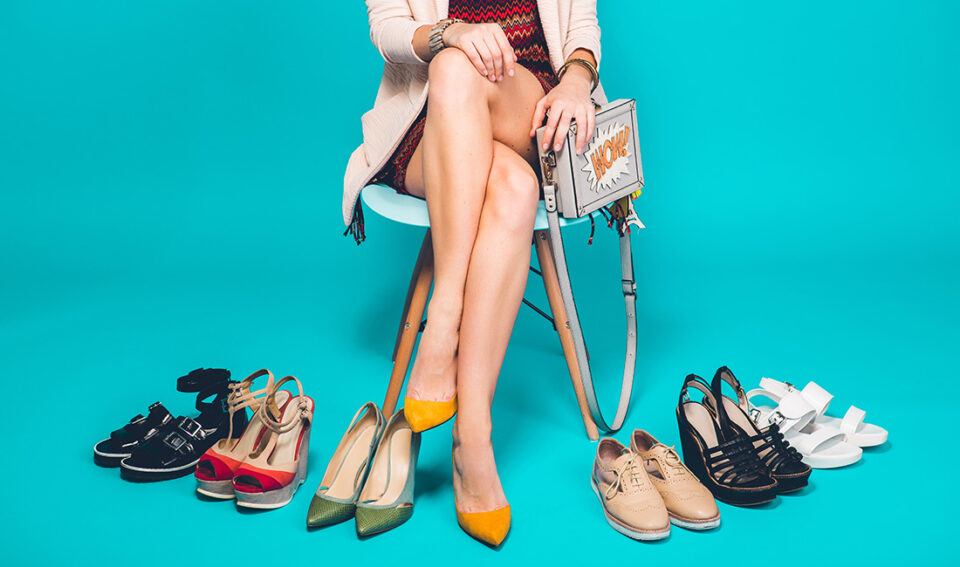
Women’s footwear encompasses dozens of distinct styles, each defined by unique construction, silhouette, and purpose. Understanding the full taxonomy helps consumers build smarter wardrobes and helps brand owners identify the right product categories.
This guide covers every major category of women’s shoes, the materials that define them, and practical guidance on care and occasion matching.
How Are Women’s Shoes Categorized?
Women’s shoes fall into five core categories based on construction and function: pumps and heels, flats and loafers, boots, sandals and mules, and sneakers. Each contains multiple styles defined by heel height, toe shape, shaft coverage, closure type, and intended occasion.
The following table maps each category against its defining attributes:
| Category | Heel Height | Toe Coverage | Shaft Height | Primary Occasion |
| Pumps & Heels | 1–5 inches | Closed or open | None | Formal, professional, evening |
| Flats & Loafers | 0–0.5 inches | Closed | None | Casual, office, daily wear |
| Boots | 0–4 inches | Closed | Ankle to knee | Cold weather, fashion, utility |
| Sandals & Mules | 0–4 inches | Open | None | Warm weather, casual to dressy |
| Sneakers | 0–1.5 inches | Closed | Low to mid | Casual, streetwear, daily wear |
What Are the Different Types of Pumps and Heels for Women?
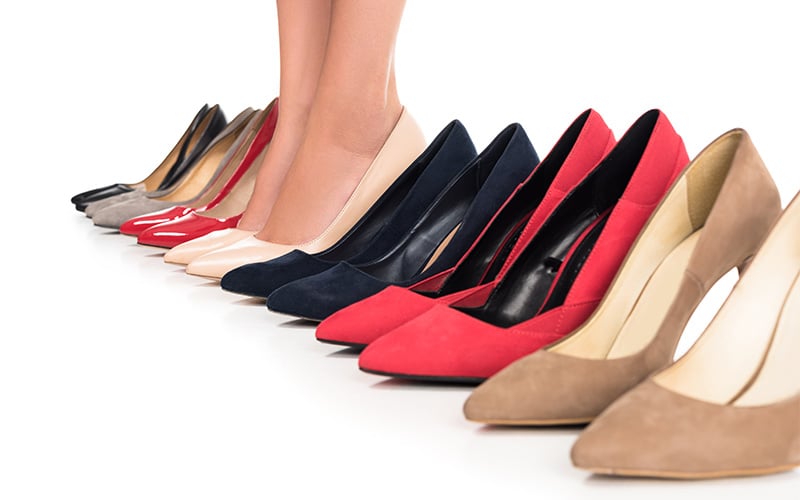
Pumps and heels remain the most commercially significant segment of women’s formal footwear. The category includes classic pumps and slingbacks, each defined by heel height, vamp cut, and back construction.
The following list breaks down each pump and heel style by its defining characteristics:
- Classic pumps — Closed toe, closed back, low-cut vamp with heels typically 2–4 inches tall. The universal default for professional and ceremonial settings, available in stiletto, block, and kitten heel variations.
- Slingbacks — A back strap replaces the closed heel of a traditional pump, reducing visual weight and improving fit security. They offer a more modern, slightly less formal aesthetic suited for both office and evening wear.
- Stiletto pumps — Thin, tapered heels typically 8–12cm tall create a dramatic silhouette best suited for evening and short-duration formal events.
- Block-heel pumps — A wide, squared base distributes weight evenly, delivering significantly more comfort for extended office wear and all-day events.
- Kitten-heel pumps — Just 1–2 inches tall, offering a polished yet practical option for professional environments and daytime outings.
What Types of Flats and Loafers Can Women Wear?
Flat shoes share a zero-to-low heel but differ in construction, material, and formality. The two dominant subcategories are ballet-style flats and structured loafers, each anchoring distinct wardrobe needs.
The following list explains each major flat shoe style:
- Ballet flats — Soft sole, rounded toe, minimal structure. They transition easily from casual to semi-formal contexts and pair well with everything from jeans to midi skirts.
- Pointed-toe flats — Elongate the foot visually and bring a more polished, professional aesthetic compared to rounded ballet styles.
- D’Orsay flats — Open sides exposing the arch create a more delicate and feminine profile than standard ballet flats.
- Penny loafers — Defined by a strap slot across the vamp, anchoring business-casual wardrobes with a preppy, classic feel.
- Horsebit loafers — Feature signature metal hardware across the vamp, offering a more luxurious and statement-driven alternative to penny loafers.
- Tassel loafers — Decorated with leather tassels at the vamp, blending traditional menswear influence with feminine styling.
- Platform loafers — Combine the structured loafer silhouette with an elevated sole for added height and contemporary streetwear appeal.
What Are the Main Styles of Women’s Boots?
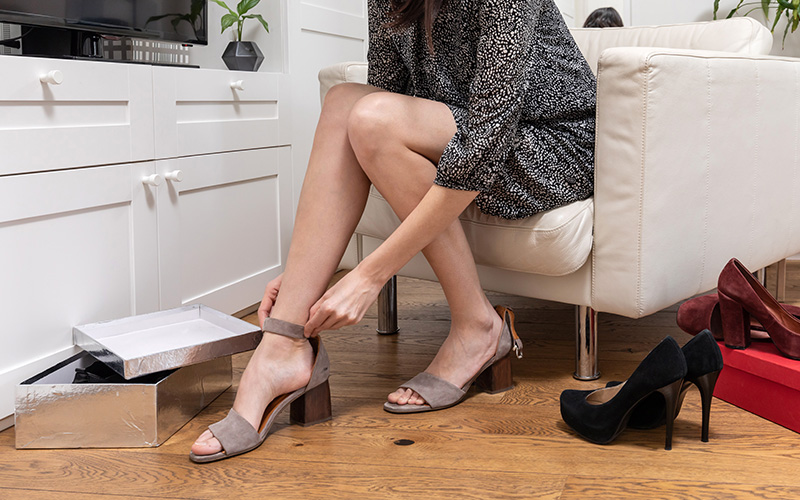
Women’s boots are defined primarily by shaft height, closure mechanism, and functional purpose. The three core subcategories are ankle boots, mid-shaft boots, and knee-high boots, each suited to different seasons and styling needs.
The following table compares major boot styles across their key attributes:
| Boot Style | Shaft Height | Closure | Typical Heel | Key Feature |
| Ankle boots | Ankle | Zipper / laces | Low to mid | The most versatile boot, pairs across all seasons |
| Chelsea boots | Ankle | Elastic panel | Low | Sleek pull-on profile for office and casual wear |
| Heeled ankle boots | Ankle | Zipper | Block or stiletto | Dressier ankle option for evening wear |
| Mid-calf boots | Mid-calf | Zipper / pull-on | Low to mid | Bridges ankle and knee-high silhouettes |
| Knee-high boots | Below knee | Zipper | Low to high | Elegant leg coverage for fall and winter |
| Flat knee-high boots | Below knee | Zipper / pull-on | Flat | Comfortable everyday option with rounded toe |
Ankle boots are widely considered the single most adaptable style in this category, pairing with jeans, dresses, and trousers across all seasons. Knee-high boots provide greater warmth and visual coverage, working naturally with skirts, dresses, and skinny trousers throughout the colder months.
What Types of Sandals and Mules Are Available for Women?
Women’s sandals and mules feature open construction for breathability but differ significantly in heel type, strap configuration, and back coverage. The category spans flat sandals for daily wear through dramatic platform and wedge sandals for height and statement styling.
The following list details each sandal and mule type and what sets it apart:
- Flat sandals — Zero heel height with strap or thong construction. The most casual sandal type, ideal for beach, vacation, and warm-weather daily wear.
- Strappy sandals — Multiple thin bands across the foot and ankle, scaling from casual to evening formal depending on material and heel height.
- Slide sandals — A single band across the vamp with a completely open back. The most minimalist sandal construction evolved from poolside staple to street-style essential.
- Gladiator sandals — Multiple straps extending up the foot and sometimes the calf, drawing from ancient Roman design with an architectural element.
- Platform sandals — Feature a thick, elevated sole across both forefoot and heel, providing significant height with greater stability than traditional heels.
- Wedge sandals — A continuous elevated sole in cork, jute, or wood distributes body weight across the entire foot, making them the most comfortable elevated option for outdoor and summer events.
- Mules — Backless construction that can feature either closed or open toes, paired with flat or elevated heels. Mules span a far broader formality range than slides, working from office settings to evening occasions.
- Heeled mules — Combine the slip-on convenience of mules with stiletto, block, or kitten heels for a versatile dressier option.
What Sneakers Do Women Need?
Sneakers have evolved from purely athletic footwear into a legitimate everyday category that crosses into casual and even semi-formal styling. Selection depends on intended use and styling priorities.
The following list covers each major sneaker type:
- Fashion sneakers — Built for aesthetics and daily comfort. Clean low-tops in neutral tones pair with jeans, dresses, and tailored trousers.
- Lifestyle sneakers — Casual everyday sneakers with cushioned soles, designed for comfort during walking, commuting, and light activity rather than athletic performance.
- High-top sneakers — Extend above the ankle for additional support and a streetwear-oriented look, pairing well with cropped pants and skirts.
- Slip-on sneakers — Eliminate laces for maximum convenience, making them ideal for commuting and quick errands.
- Platform sneakers — Feature an oversized sole for added height and a fashion-forward aesthetic prominent in street style and athleisure.
- Canvas sneakers — Lightweight cotton uppers at accessible price points, perfect for warm-weather casual wear.
What Materials Are Women’s Shoes Made From?
The material of a shoe determines its appearance, durability, breathability, and price point. Understanding common materials helps buyers evaluate quality and choose shoes suited to their climate and lifestyle.
The following list explains each material’s characteristics and best applications:
- Full-grain leather — The gold standard for premium footwear. It molds to the foot over time, develops a rich patina, and lasts years with proper conditioning.
- Suede — Offers a softer, more textured appearance than smooth leather but is highly vulnerable to water and staining, requiring protective sprays and careful storage.
- Patent leather — A high-gloss, lacquered finish that resists scuffing and needs only occasional wiping. A low-maintenance option favored for formal pumps and evening heels.
- Canvas — Lightweight and highly breathable, ideal for sneakers and casual flats in warm weather. It sacrifices water resistance and long-term durability compared to leather.
- Synthetic / PU leather — An affordable, vegan-friendly alternative to genuine leather. It typically lacks the breathability and aging character of natural hides but serves well in fashion-forward designs.
- Satin and silk — Delicate fabrics reserved primarily for bridal and evening shoes. They offer a luxurious sheen but are extremely susceptible to staining and water damage.
- Knit and mesh — Engineered textile uppers providing maximum breathability and lightweight comfort for casual sneakers. They dry quickly but offer minimal structure.
How Should Women Care for Their Shoes?
Proper care extends shoe lifespan significantly and preserves both appearance and structural integrity. Different materials require different maintenance approaches.
The following list outlines essential care practices by material type:
- Leather shoes — Apply a leather conditioner every 4–6 weeks to prevent cracking. Polish with matching cream for color restoration and use a waterproofing spray before rainy seasons.
- Suede shoes — Brush regularly with a suede brush to restore nap texture. Treat stains immediately with a suede eraser and always apply a protective spray before first wear.
- Canvas and fabric shoes — Spot clean with mild soap and a soft brush. Machine washing is possible for some sneakers but should be air-dried only—never tumble dried.
- Patent leather — Wipe with a damp cloth. Avoid storing patent shoes touching each other, as the finish can transfer and stick.
- General storage tips — Store shoes in a cool, dry place away from direct sunlight. Use cedar shoe trees for leather shoes to maintain shape, and keep formal shoes in dust bags to prevent scratching.
- When to repair vs. replace — Worn-down heel tips and loose stitching are cost-effective repairs. However, once a sole has separated or a midsole has compressed beyond recovery, replacement is the better investment.
How Does One Choose the Right Shoe for Each Occasion?
Choosing the right shoe requires matching occasion formality, activity level, and personal foot needs. The following table provides a practical decision framework:
| Occasion | Recommended Styles | Key Priority |
| Corporate office | Pumps, loafers, ankle boots | Polished comfort |
| Casual weekend | Lifestyle sneakers, ballet flats, slide sandals | Walkability |
| Formal evening | Stiletto pumps, strappy sandals, slingbacks | Elegance |
| Outdoor / travel | Lifestyle sneakers, wedge sandals | Support, durability |
| Wedding (guest) | Block-heel pumps, platform sandals | Style + endurance |
| Cold weather | Knee-high boots, heeled ankle boots | Warmth + fashion |
Women with high arches need structured support—loafers and quality sneakers outperform thin-soled flats. Those with wider feet should prioritize rounded or square toe boxes. A well-rounded wardrobe typically includes five to seven core pairs: one versatile sneaker, one neutral flat or loafer, one ankle boot, one heeled formal shoe, one summer sandal, one knee-high boot, and one optional statement piece.
FAQs
What is the difference between stilettos and pumps?
Stiletto refers to the heel shape, while pump refers to the overall shoe construction. A pump can have a stiletto heel, but stilettos also appear on sandals, boots, and slingbacks.
What is the difference between mules and slides?
Slides are flat and open-toed with a single band. Mules can have closed toes and elevated heels. Both are backless, but mules span a wider style and formality range.
What is the difference between ankle boots and knee-high boots?
Ankle boots stop at or just above the ankle and work across all seasons. Knee-high boots extend to just below the knee and are designed primarily for fall and winter wear with skirts and dresses.
What are the most comfortable types of women’s shoes?
Lifestyle sneakers and block-heeled boots rank highest for all-day comfort. Among dressier options, wedge sandals and loafers offer the best comfort-to-formality ratio.
How often should leather shoes be conditioned?
Every 4–6 weeks for regularly worn pairs. Shoes worn daily in harsh conditions may benefit from monthly conditioning to prevent cracking and drying.