
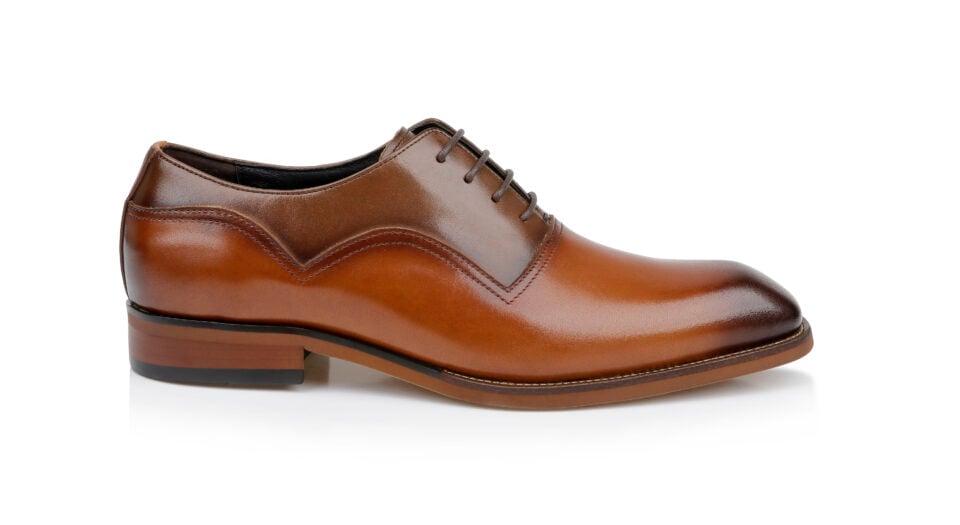
A man’s shoes set the tone for his entire outfit. Whether stepping into a boardroom, navigating a weekend market, or boarding a flight, the right footwear communicates intention, taste, and awareness of occasion.
This guide covers every essential category of men’s shoes — from polished dress shoes to laid-back slides — drawing on footwear manufacturing expertise at Joes Footwear since 2009.
What Are the Main Categories of Men’s Shoes?
Men’s shoes fall into five main categories: dress shoes, casual shoes, boots, sneakers, and sandals. Each category serves distinct occasions and differs in construction, formality level, and material composition.
Formality follows one simple rule — the sleeker and less decorated a shoe, the more formal it becomes. Three factors determine where any shoe sits on the spectrum:
- Construction style — closed lacing is more formal than open lacing; slip-ons are more casual than lace-ups.
- Material — polished full-grain leather ranks highest; canvas and rubber rank lowest.
- Color — black is the most formal; tan and bright colors are the most casual.
Every shoe shares a common anatomy that affects fit and quality:
- Upper — the visible portion covering the foot (leather, suede, canvas, or synthetic).
- Outsole — the bottom layer contacting the ground (leather, rubber, or EVA foam).
- Welt — the strip connecting upper to outsole, central to durability and resolability.
- Toe box — the front section shaping the silhouette and protecting the toes.
- Heel counter — rigid reinforcement at the back stabilizing the heel.
Each component is carefully engineered during manufacturing to balance comfort, durability, and aesthetics.
What Are Dress Shoes and When Should Men Wear Them?
Dress shoes are structured leather footwear designed for formal and business settings. The essential dress shoe types every man should know:
- Oxford (Balmoral) — closed lacing stitched beneath the vamp creates the sleekest, most formal profile. A black cap-toe Oxford is the universal standard for suits, interviews, and black-tie events.
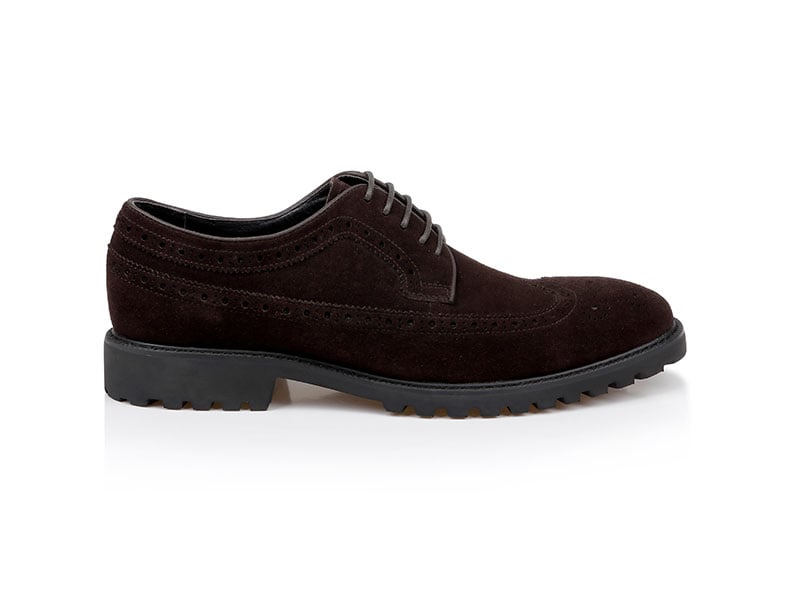
- Derby (Blucher) — open lacing sits on top of the vamp, offering a slightly more relaxed fit and wider opening. Transitions easily from business to smart-casual.
- Monk Strap — replaces laces with one, two, or three buckled straps. Double monks deliver a confident, modern statement without breaking formality rules.
- Wholecut — crafted from a single piece of leather with no visible seams. Demands flawless material and ranks among the most formal styles available in the market.
- Brogue — not a shoe type but a decorative technique. Perforated patterns can appear on Oxfords, Derbies, and boots. The more broguing, the less formal the shoe. Variants include full brogue (wingtip), semi-brogue, and quarter brogue.
Joes Footwear manufactures men’s dress shoes in multiple constructions, including burnished cow leather Oxfords and hand-sewn upper designs. Brands seeking luxury options can explore exotic leather dress shoes featuring alligator and other premium exotic leathers.
What Types of Casual Shoes Should Every Man Own?
Men’s casual shoes bridge comfort and style for everyday wear. They typically feature softer materials, flexible soles, and slip-on constructions. The core casual styles include:
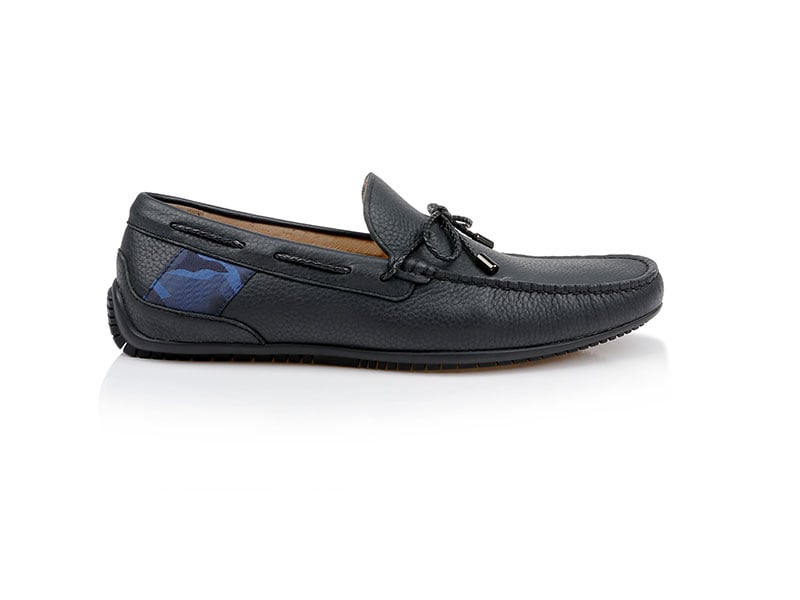
- Penny Loafer — leather slip-on with a saddle strap across the vamp. Works with chinos and a blazer or jeans and a polo. The most versatile casual shoe.
- Tassel Loafer — decorative tassels on the vamp add visual interest for business-casual and social events.
- Horsebit Loafer — a metal bar across the vamp signals upscale casual or semi-formal styling.
- Driving Shoe — distinguished by a flexible rubber-nub sole extending around the heel, originally designed for better pedal grip. Ideal for travel and leisure.
- Boat Shoe — rawhide lacing, non-marking sole, and nautical heritage make it a warm-weather staple commonly seen in the market.
- Espadrille — jute-rope sole with a canvas upper, rooted in Mediterranean tradition. Best for beach and resort settings.
- Moccasin — handsewn construction with a soft sole for indoor-to-outdoor crossover comfort.
Joes Footwear produces men’s loafers with timeless silhouettes and offers wholesale driving shoes crafted for comfort and relaxed style.
What Types of Boots Can Men Wear?
Men’s boots range from sleek to rugged. Selection depends on shaft height, sole type, material, and formality:
- Chelsea Boot — elastic side panels and a pull tab for effortless slip-on wear. Slim silhouette works with tailored trousers and slim jeans alike.
- Chukka Boot (Desert Boot) — ankle-height with two or three eyelets. Suede versions offer a laid-back weekend aesthetic; smooth leather steps into business-casual territory.
- Lace-Up Dress Boot — brings Oxford-level formality above the ankle. A black Balmoral boot pairs with suits in colder months.
- Work Boot / Combat Boot — reinforced toe caps, heavy-duty soles, heritage appeal. Now a mainstream fashion piece paired with denim and casual outerwear.
- Hiking Boot — lug soles and rugged construction originally for trails, now crossing into everyday streetwear styling.
Brands can explore Joes Footwear’s boot collection for styles from refined Chelseas to rugged lace-ups.
What Sneakers Does a Man’s Wardrobe Need?
Every man needs at least two sneaker types. The essential sneaker categories:
- White leather low-top — the single most versatile sneaker; pairs with chinos, dark jeans, or an unstructured blazer.
- Retro runner — vintage-inspired silhouette with suede and nylon uppers for casual weekend wear.
- Training shoe — built for lateral stability and multi-directional gym movement; not ideal for street styling.
- Canvas sneaker — lightweight, breathable, and budget-friendly for warm-weather everyday use.
Joes Footwear works as an OEM men’s training shoes manufacturer and offers private label sneaker manufacturing across casual, retro, and performance designs.
What Open-Toe Shoes Are Appropriate for Men?
Context and construction quality determine when men can wear open-toe shoes. The main options:
- Slides — a single broad strap over a cushioned sole. Once confined to locker rooms, now acceptable in athleisure and post-workout streetwear.
- Leather strap sandals — more structured, pairing well with linen trousers or relaxed summer outfits.
- Fisherman sandals — closed-toe design offering a hybrid of sandal comfort and shoe protection; a popular style commonly seen in the market.
- Flip-flops — appropriate only for the beach, pool, and very casual settings.
Joes Footwear produces custom men’s slides for summer collections.
What Are Exotic Skin Shoes and Who Are They For?
Exotic skin shoes target high-end retail markets using premium materials that deliver unique texture unmatched by standard leather:
- Alligator / Crocodile — distinctive scale patterns, the most sought-after exotic leather.
- Ostrich — soft, supple, with a signature quill-bump texture.
- Other premium exotic leathers — rarer options for niche luxury markets.
Typically styled as loafers, Oxfords, or monk straps for evening and executive settings. Joes Footwear offers wholesale men’s exotic skin shoes for retailers seeking standout luxury inventory.
What Materials and Construction Make a Quality Men’s Shoe?
Shoe quality comes down to two things — material grade and construction method. Key considerations:
- Full-grain leather — retains the hide’s natural surface, develops a patina over time. The gold standard for dress shoes.
- Suede / Nubuck — softer textures ideal for casual loafers, chukkas, and lifestyle sneakers.
- Canvas / Mesh — lightweight and breathable for warm-weather and athletic shoes.
- Goodyear welt — stitches upper, insole, and welt together. Enables resoling; extends lifespan by years.
- Blake stitch — sews upper directly to outsole for a sleeker, thinner profile.
- Cemented — bonds sole with adhesive. Common in sneakers; not resolable.
Joes Footwear’s process covers sourcing, engineering, and quality control at every stage, backed by GMC and MEGA certifications. For deeper material knowledge, visit their guide to 11 common shoe materials.
How Should Men Match Shoes to Outfits?
Shoe selection should match the formality of the outfit and the demands of the environment:
- With a suit — black cap-toe Oxford or monk strap (formal); brown Derby or brogued Oxford (business).
- Business casual — loafers, suede Derbies, or chukka boots with chinos or wool trousers.
- Jeans and casual — clean white sneakers, Chelsea boots, or driving shoes.
- Warm weather — slides, leather sandals, or espadrilles with shorts or linen.
- Wet or cold climates — rubber-soled boots, weather-treated suede, or waterproof membrane-lined shoes.
Body type also matters. Shorter men gain subtle height from Chelsea boots and slim-profile dress boots. Broader builds balance well with structured Derbies and brogues. Slim builds should avoid chunky soles — sleek Oxfords and minimalist loafers work best.
How Should Men Care for Their Shoes?
Proper care extends shoe lifespan by years. Essential maintenance practices:
- Leather — condition every four to six months with natural wax polish; use cedar shoe trees after each wear for moisture absorption.
- Suede / Nubuck — apply hydrophobic spray before first wear; clean with a soft-bristle brush; never dry near direct heat.
- Rotation — alternate between at least two pairs daily to prevent sole compression and insole breakdown.
- Resoling — welted shoes (Goodyear or Blake) can be resoled multiple times. Cemented shoes cannot and should be replaced once the sole wears through.
How Many Pairs Does a Man Actually Need?
A functional wardrobe starts with five core pairs:
- Black dress shoes (Oxford or Derby)
- Brown casual lace-ups or loafers
- Clean white sneakers
- Versatile boots (Chelsea or chukka)
- Warm-weather slides or sandals
Beyond the essentials, driving shoes, exotic skin loafers, training shoes, and a second boot style round out a complete collection.
For brands ready to build a men’s shoe line, Joes Footwear offers a complete catalog spanning every category in this guide. With full OEM/ODM services from design to shipping, partnering with Joes Footwear turns a concept into a market-ready reality.
FAQs
What is the most versatile type of men’s shoe?
The brown leather Derby transitions from business settings to casual weekends. Its open lacing pairs well with suits, chinos, and jeans alike.
What is the difference between an Oxford and a Derby?
Oxfords have closed lacing stitched under the vamp for a formal profile. Derbies have open lacing on top of the vamp, offering a more relaxed fit.
Can men wear sneakers with a blazer?
Yes. A clean, minimalist white leather sneaker pairs well with an unstructured blazer and dark jeans. Avoid loud colors or heavy athletic branding.
How often should men replace their shoes?
Goodyear-welted dress shoes last decades with resoling every two to three years. Cemented-sole sneakers typically last one to two years with regular wear.
What shoes should a man wear to a wedding?
Black cap-toe Oxfords for formal weddings. Brown Derbies, monk straps, or polished loafers work for semi-formal or outdoor ceremonies.
Are exotic skin shoes worth the investment?
For high-end events and executive settings, exotic skins in alligator or ostrich deliver unique texture and exclusivity that standard leather cannot match. They require careful maintenance but offer lasting visual impact.