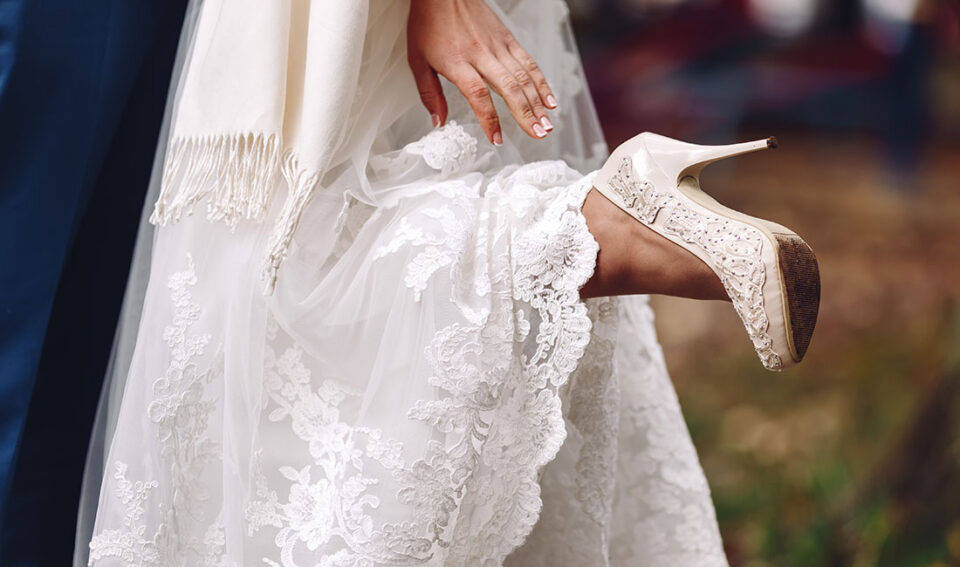
A comfortable wedding shoes for all-day wear usually have a stable 50–70mm heel, a flexible outsole, a soft midsole, a supportive shoe shape, and a breathable upper. These features can help the shoe fit better as the foot naturally swells during the day.
Based on almost 17 years of footwear manufacturing experience, this guide explains the key design factors that may help reduce foot pain, blisters, pressure on the front of the foot, and heel instability during an 8–14 hour wedding day.
It covers heel shape, arch support, toe box fit, outsole grip, leather and microfiber linings, and shoe choices for grass, sand, ballrooms, and cobblestones. The goal is to help brands and brides choose comfort-first wedding shoes more clearly.
Why Do Most Wedding Shoes Start Hurting After a Few Hours?
Most wedding shoes fail because they are designed for appearance, not for 8–12 hours of continuous wear. Inadequate arch support, rigid sole construction, and narrow toe boxes create pressure points that compound over time, turning minor discomfort into real pain by mid-reception.
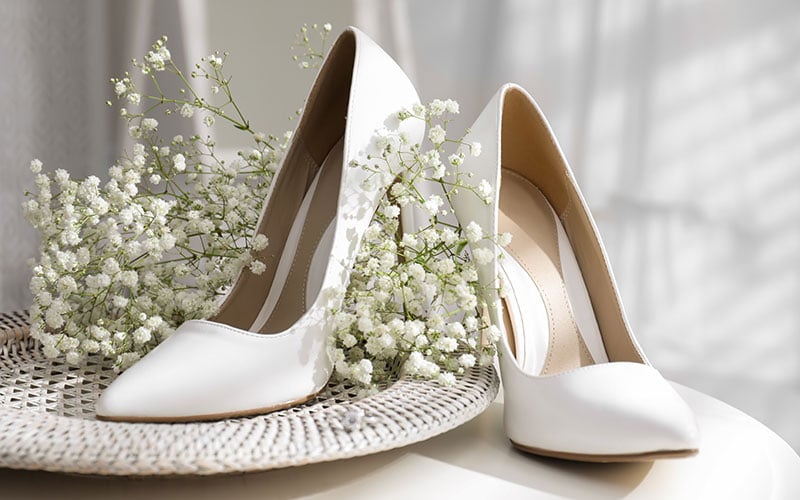
The issue comes down to three structural failure points:
- arch collapse — when the insole offers no contouring, the plantar fascia bears excessive load over hours
- forefoot overload — steep heel pitch forces disproportionate weight onto the ball of the foot, compressing metatarsal tissue
- heel instability — a narrow or poorly angled heel base shifts the center of gravity, forcing leg muscles to compensate continuously
There is also the persistent “break-in myth.” The idea that a shoe needs to be painfully worn in before it fits properly is not a feature — it is a symptom of poor last engineering. A well-constructed shoe should feel supportive from the first wear, requiring only minor material softening rather than structural reshaping by the wearer’s foot.
What Makes a Wedding Shoe Comfortable Enough for All-Day Wear?
All-day comfort comes from four engineering factors working together:
- a flexible outsole that moves with the foot
- a cushioned midsole that absorbs impact
- a heel pitch below 70mm that distributes weight evenly
- an upper material that accommodates natural foot swelling
Factor 1: How Does Sole Construction Affect Comfort Over 8+ Hours?
The outsole is the interface between foot and ground, and its flexibility determines how naturally a bride can walk. A rigid outsole forces the foot to fight the shoe with every step, while a properly flexed sole bends at the ball of the foot, supporting natural gait. Midsole density is equally critical — too soft, and the cushioning collapses under sustained body weight; too firm, and it creates concentrated pressure. Rubber outsoles provide better grip on polished dance floors, while leather soles offer a sleeker profile but less traction.
Factor 2: What Heel Height and Shape Works Best for Long Wear?
Heel height is only half the equation; heel shape matters just as much. Block heels distribute weight across a wider surface area, reducing per-square-centimeter pressure on the ball of the foot. The sweet spot for balancing elegance with endurance is 50–70mm — tall enough to create a flattering silhouette, low enough to keep the heel pitch within a range that avoids excessive forefoot loading.
The following table summarizes how different heel geometries perform across key comfort attributes:
| Heel Type | Height Range | Weight Distribution | Stability | Best For |
| Block Heel | 50–80mm | Even, wide base | High | All-day events, outdoor venues |
| Kitten Heel | 30–50mm | Moderate, narrow base | Moderate | Extended wear, formal settings |
| Wedge | 60–100mm | Continuous sole contact | Very High | Grass, sand, uneven surfaces |
| Platform | 70–120mm | Offset by platform height | High | Height without steep pitch |
Factor 3: Why Does the Upper Material Matter More Than People Think?
Feet naturally swell during a long day. This can happen more in warm weather or after standing for many hours. Uppers made from genuine leather, stretch fabrics, and other flexible materials can adjust to this swelling without squeezing the foot.
Straps should hold the foot in place without cutting into the skin. The toe box is also important. Its width and shape decide whether the toes stay comfortable or feel cramped after hours of wear.
Factor 4: What Is a Shoe Last and Why Does It Determine Comfort?
The last is the three-dimensional mold around which every shoe is built. It dictates toe room, arch alignment, heel cup depth, and overall volume. Two shoes with identical outsoles and materials can feel completely different if built on different lasts. Seasonal last updates allow manufacturers to refine fit based on wear-testing data and evolving foot shape research.
Which Wedding Shoe Styles Are the Most Comfortable?
Block-heel sandals, wedge heels, and platform shoes are often more comfortable for all-day wear. They spread body weight over a larger area, which can reduce pressure on the foot.
Kitten heels and bridal sneakers are also good options for brides who care more about easy movement than extra height.
The following styles represent the strongest options for extended-wear wedding footwear:
- Wedding heels — Comfort hinges on heel geometry. Block heels spread weight across a wider base, platforms offset pitch angle so a 100mm heel feels closer to 60mm, and wedges provide continuous sole contact that prevents sinking on soft ground. → Explore heel designs
- Wedding pumps — A clean, formal profile with full toe coverage. D’Orsay cuts reduce vamp pressure, while kitten-heel pumps in the 30–50mm range suit brides standing 10+ hours. → Explore pump designs
- Wedding sandals — Open-back ventilation reduces friction and heat buildup, two key blister drivers. Strategic strap placement secures the foot while accommodating natural swelling over a long day. → Explore sandal designs
- Wedding sneakers — The ceremony-to-reception versatility trend. Cushioned midsoles and flexible outsoles deliver unmatched all-day support, especially on dance floors. → Explore sneaker manufacturing
- Wedding flats — Zero heel pitch keeps the foot natural, but comfort isn’t guaranteed by low height alone. Proper arch contouring and cushioned insoles are essential — a poorly constructed flat can cause more pain than a well-engineered 60mm block heel. → Explore flat designs
How Should the Wedding Venue Affect Shoe Choice?
Venue surface directly determines which sole type, heel width, and material will keep a bride comfortable. Grass and sand require wide heels or wedges to prevent sinking, while hard ballroom floors demand cushioned soles that absorb repetitive impact from standing and dancing.
The following breakdown maps venue types to the most important engineering considerations:
- Grass or garden surfaces demand wide-base heels or wedges. Narrow heels sink into soft ground, destabilizing gait and increasing ankle strain. Sole grip patterns should provide traction without collecting soil.
- Beach and destination venues call for lightweight construction with breathable uppers and materials that resist sand abrasion. Closed-back designs prevent sand from entering the shoe.
- Ballroom and indoor venues require soles that absorb repetitive impact from hard flooring. Rubber outsoles grip polished surfaces better than leather, while cushioned midsoles protect against the sustained compression of standing on unforgiving floors.
- Cobblestone and historic venues test stability. Ankle straps and block heels provide the support needed to walk confidently on uneven stone surfaces.
A manufacturer with custom sole engineering capabilities can design venue-specific outsole solutions that address these challenges at the production level.
What Materials Prevent Blisters and Discomfort in Wedding Shoes?
Genuine leather and kid leather linings can help reduce blisters because they are breathable, soft, and able to stretch with the foot. They also help manage moisture during long wear. Padding is also important. If the padding is too soft, it may flatten under body weight. If it is too firm, it may create pressure points.
The shoe lining plays a major role in comfort. Kid leather and microfiber suede can reduce rubbing against the skin, which may lower the risk of blisters. Some eco-conscious materials can also offer good breathability and stretch. Joes Footwear’s private label manufacturing process includes material sourcing support to help brands choose materials that fit their comfort and sustainability goals.
How Should Brides Prepare Their Wedding Shoes Before the Big Day?
Brides should try on wedding shoes in the afternoon, when feet are usually a little larger. They should also test the shoes on hard floors instead of carpet and wear them at home for short periods. If a shoe needs a painful break-in period, the problem is likely with the shoe design, not the foot.
Good preparation can make the wedding day more comfortable. For summer weddings or warm climates, going up half a size may help because feet often swell during the day. Gel inserts and heel grips can add comfort, but they should not be needed to make the shoe wearable. If a shoe needs several accessories to feel comfortable, it may have a design problem. Brands can find these issues earlier through sample testing before full production.
What Common Mistakes Do Shoe Designers Make with Bridal Footwear?
A common mistake is treating comfort as an extra feature instead of a basic part of the shoe design. Some bridal shoes focus too much on decoration but do not provide enough sole support. Others use stiff synthetic linings or skip real wear testing. These choices can create shoes that look good but feel painful after hours of use.
Other mistakes include ignoring foot swelling during a long wedding day, offering only whole sizes, and not providing half sizes or wide-width options. Some brands also rush the prototype testing stage to meet production deadlines. These shortcuts may save time at first, but they can hurt customer comfort and brand trust later.
How Is All-Day Comfort Engineered Into a Wedding Shoe From the Start?
All-day comfort should be designed into the shoe from the beginning. It should not be added after production. Comfort depends on the shoe last, sole flexibility, heel pitch, materials, and fit. These parts should be tested through prototypes and quality checks.
A one-stop manufacturing approach can help keep shoe comfort consistent. When one team handles design, engineering, and production, comfort choices made during the CAD stage are easier to keep in the final shoe.
At Joes Footwear, daily inspections, in-line checks, and final quality control help make sure the comfort tested in the prototype is also kept during mass production.
What Should Buyers Look for When Evaluating Comfort-First Bridal Shoes?
A concise evaluation framework helps brands and buyers identify manufacturers capable of delivering genuine all-day comfort:
- Sample testing — Does the manufacturer offer prototype testing before committing to production?
- Heel pitch specification — Is the pitch documented and kept under 70mm for styles designed for extended wear?
- Material transparency — Are lining, insole, and outsole materials specified by name rather than listed generically?
- Toe box validation — Has the toe box shape been tested across multiple foot widths?
- Low MOQ flexibility — Can the manufacturer accommodate small-batch bridal capsule collections without requiring prohibitive minimum orders?
FAQs
What is the most comfortable heel height for a wedding?
The 50–70mm range offers the best balance of elegance and endurance. Block heels in this range distribute weight effectively for 8+ hours of wear.
Are flats actually more comfortable than heels?
Not necessarily. A poorly constructed flat can cause more arch pain than a well-engineered 60mm block heel. Comfort depends on sole construction and arch support, not height alone.
How do I prevent blisters on my wedding day?
Choose shoes with kid leather or microfiber suede linings, ensure proper fit with afternoon sizing, and test on hard surfaces before the event.
Should I size up for wedding shoes?
In warm climates or for summer weddings, sizing up by half a size accounts for natural foot swelling that occurs over a full day of activity.
What’s the best wedding shoe for an outdoor ceremony?
Wedge heels or wide block heels prevent sinking into grass or sand while maintaining stability on uneven ground.
Can a manufacturer customize bridal shoes with low minimum orders?
Yes. Manufacturers offering low-MOQ private label services enable brands to test bridal capsule collections without large inventory commitments. Request a consultation to explore options.