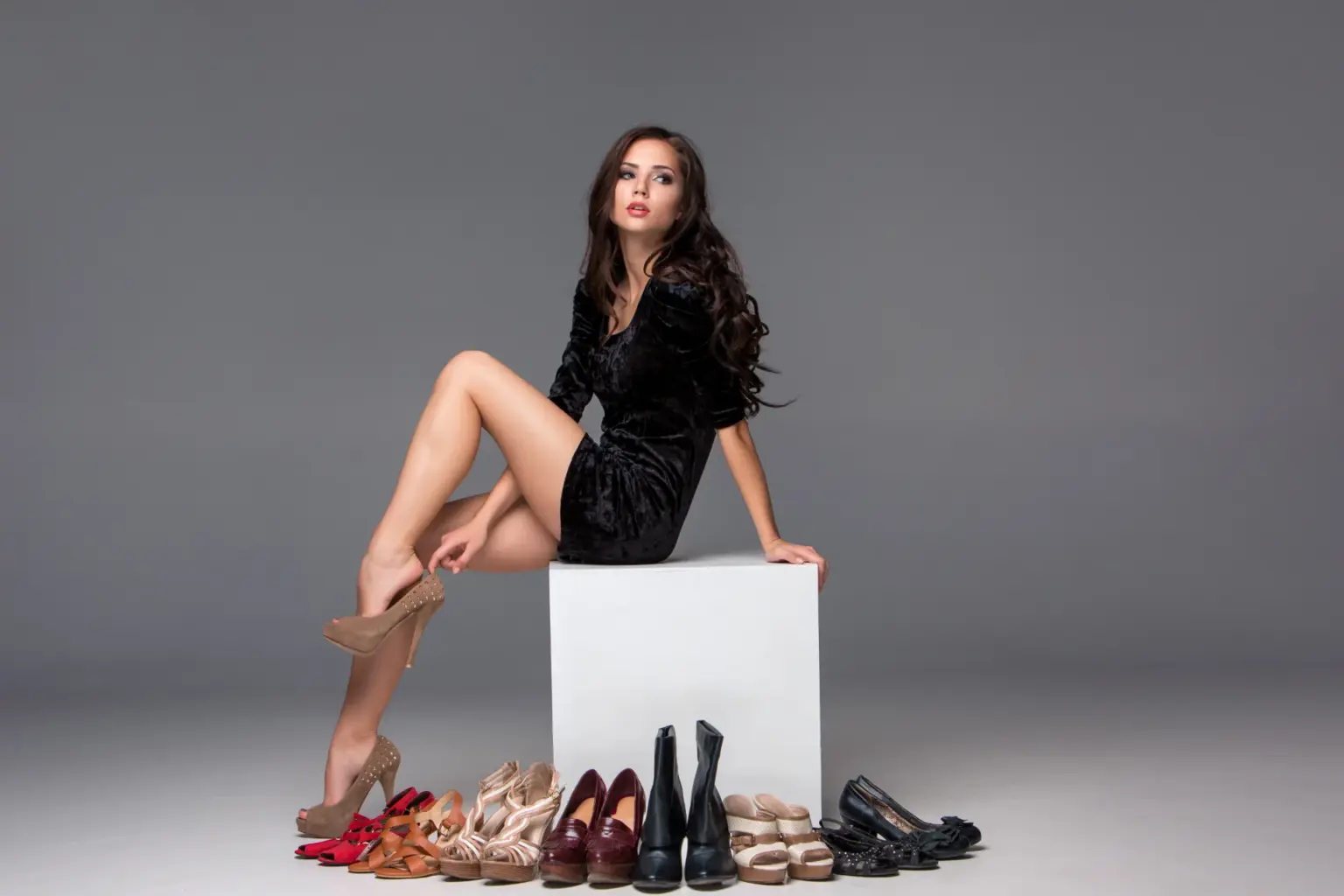
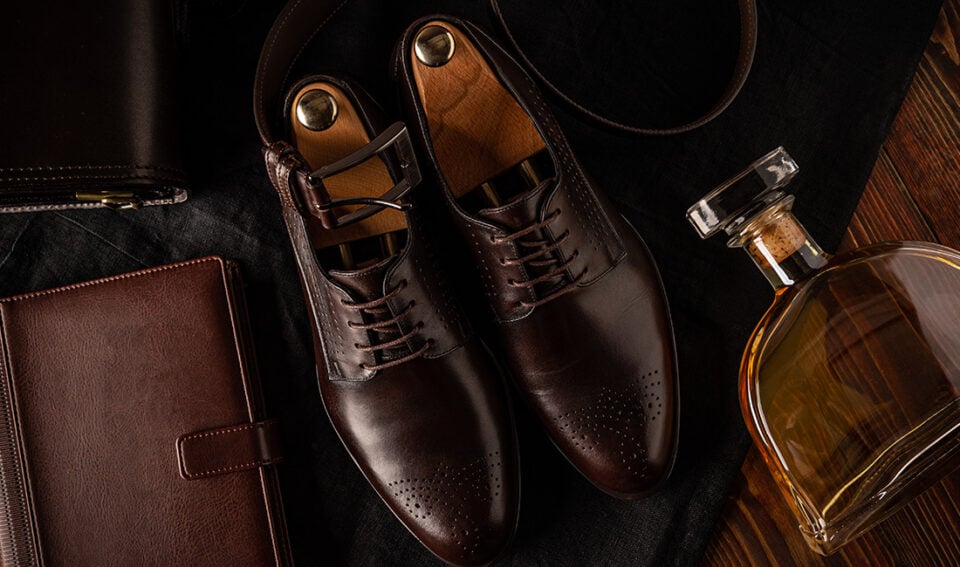
Starting a shoe brand is one of the most exciting ventures in fashion — and one of the most complex. Unlike clothing, footwear involves engineering: lasts, construction methods, material science, and specialized equipment. The good news is the private label model lets you create a fully branded line with a fraction of the capital required a decade ago. What you need is a clear plan, realistic expectations, and the right manufacturing partner.
This guide covers every stage, written from the manufacturer’s perspective — unfiltered truth about what works and where brands waste money.
| The 10 Steps1. Define your niche and target customer 2. Research the market and validate demand 3. Create your brand identity 4. Develop a business plan and budget 5. Design your first collection 6. Find a manufacturing partner 7. Develop samples and perfect product 8. Set your pricing strategy 9. Build your sales channels 10. Launch, learn, and scale |
Step 1: Define Your Niche and Target Customer
The biggest mistake is trying to serve everyone. A brand selling heels, sneakers, boots, and dress shoes simultaneously has no identity. Successful brands start narrow and go deep.
Niche Examples Thriving in 2026
Comfortable occasion shoes — heels that prioritize all-day wearability
Sustainable sneakers — recycled materials, vegan leather, transparent supply chains
Wide-fit fashion shoes — stylish options for an underserved market
Wedding footwear — customizable, high-emotion purchases. Browse bridal shoe styles for inspiration.
Premium men’s loafers — casual luxury meets craftsmanship
Define Your Customer Beyond Demographics
What does she wear to work? Where does she shop online? What frustrates her about current options? What price feels aspirational but attainable? The sharper your profile, the sharper every decision becomes.
Step 2: Validate Market Demand
Passion is not enough. Before investing, you need evidence people will pay.
Competitive Analysis
Identify 5–10 competitor brands. Study product range, price points, bestsellers, messaging, and customer reviews. Negative reviews reveal what customers wish was different.
Validation Methods
Keyword research: Are people searching for your shoe type? Ahrefs or Google Keyword Planner reveal real demand.
Social media testing: Post design concepts on Instagram/TikTok. Measure engagement before investing.
Pre-launch landing page: Collect 500+ emails before spending on production = validated interest.
Crowdfunding: Kickstarter validates demand and funds your first production run simultaneously.
| Reality CheckIf you cannot articulate what makes your brand different in 2–3 sentences, go back to Step 1. The market is saturated; unclear positioning does not survive. |
Step 3: Create Your Brand Identity
Brand name: Memorable, available as .com and on social media. Check trademark in your markets AND in China.
Brand story: Why does your brand exist? Best stories connect personal narrative to real customer need.
Visual identity: Logo, color palette, typography. Invest in professional design.
Price positioning: Budget ($30–80), mid-range ($80–200), premium ($200–500), or luxury ($500+)?
Step 4: Business Plan and Budget
Shoes require more upfront capital than most fashion categories. Here is a realistic breakdown. For detailed production-specific costs, see our private label cost analysis.
| Expense | Bootstrap (1 style, ODM) | Standard (3 styles, OEM) | Premium (5–8 styles) |
| Samples & Prototyping | $200–$400 | $600–$1,500 | $1,500–$4,000 |
| Tooling & Molds | $0–$500 | $1,000–$4,000 | $3,000–$10,000 |
| Production | $3K–$6K | $15K–$30K | $40K–$100K |
| Packaging | $300–$800 | $1,500–$3,000 | $3K–$8K |
| Shipping & Duties | $500–$1,500 | $2K–$5K | $5K–$15K |
| Brand & Website | $1K–$3K | $3K–$8K | $8K–$20K |
| Marketing | $500–$2K | $2K–$5K | $5K–$20K |
| TOTAL | $6K–$15K | $26K–$60K | $68K–$185K |
Build a 20% buffer above projected budget. Most founders underestimate by 40–60%.
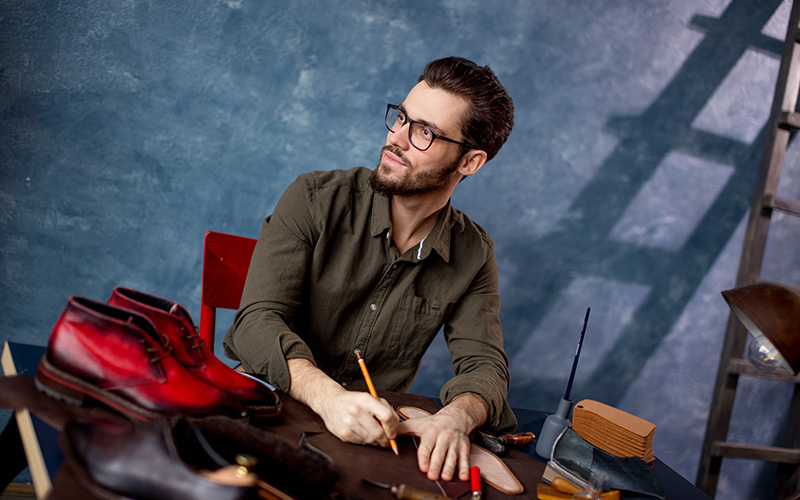
Step 5: Design Your First Collection
Start with 2–4 hero styles. Resist the temptation to launch with 10 styles in 5 colors.
Choose styles that represent your brand DNA. Each serves a clear purpose.
Select 2–3 colorways per style. One safe commercial color + one statement color.
Plan your size range. Every additional size increases MOQ.
Build a visual mood board. Foundation for your tech pack and factory communication.
For OEM, you need a tech pack — the technical blueprint translating your vision into factory specs. If you lack experience creating one, a manufacturer like Joes Footwear can develop it. Browse our women’s collection, men’s styles, or bag designs for design direction.
Step 6: Find a Manufacturing Partner
This decision defines your product, margins, and customer experience. We wrote a comprehensive factory evaluation guide with an 8-point vetting checklist, but here are the essentials:
Specialization: category-focused factories outperform generalists.
End-to-end service: design, sourcing, sampling, production, QC, shipping — all coordinated.
Startup-friendly: flexible MOQs, guidance through the process, not just order-taking.
Proven track record: ask for references from brands similar to yours.
| Why Guangdong ProvinceJoes Footwear is headquartered in Dongguan, the heart of the world’s densest footwear cluster. Within 100km: lasts, leather, textiles, hardware, outsoles, and packaging suppliers. This ecosystem means faster development and competitive pricing. |
Step 7: Perfect Your Samples
Expect 2–3 revision rounds. This is normal, not a sign of problems.
| Stage | Purpose | Evaluate |
| Development | First physical version. Tests shape and construction. | Silhouette, proportions, design intent. |
| Revised | Incorporates round 1 feedback. | Fit, comfort, refined proportions. |
| Salesman (SMS) | Production-quality. For photography and buyers. | Material, color, stitching precision. |
| Pre-Production | Final sign-off. Exact production materials. | Everything. Production must match this. |
Never approve a sample you are not 100% satisfied with. Changes after production begins are impossible or extremely expensive. Explore our end-to-end development process to understand how we support brands through every revision.
Step 8: Pricing Strategy
Your landed cost = FOB price + shipping + duties + warehousing. Industry multipliers:
DTC (your website): 4–5x landed cost. $34 landed = $136–$170 retail.
Wholesale: 2–2.5x landed cost = wholesale price. Retailers add their markup.
Marketplace (Amazon): factor 15–30% platform fees.
Step 9: Build Sales Channels
1. Your Own Store (Start Here)
Shopify or WooCommerce. Full brand control, customer data, highest margins. Invest in product photography, size guides, and a generous return policy (footwear returns: 20–30%).
2. Social Commerce
Instagram and TikTok shopping. Short-form video of your shoes being worn drives both awareness and sales. Micro-influencer partnerships deliver exceptional ROI.
3. Wholesale to Boutiques
After DTC validation, approach independent retailers. Bring salesman samples, price sheet, and brand deck.
4. Marketplaces
Supplementary channel. Lower margins but built-in traffic. Invest in Brand Registry and A+ Content on Amazon.
Step 10: Launch, Learn, Scale
Your first collection will not be perfect. The goal is market feedback.
First 90 Days: Monitor Obsessively
Which styles/colors sell fastest — double down on winners
Customer reviews and support emails — product improvement gold
Return rates by style and size — identifies fit issues
Marketing channel conversion rates — optimize spend
Brands that scale treat collection one as a learning experiment. Your second order is smarter, your third is sharper, and by your fifth cycle you have product-market fit competitors cannot replicate.
Realistic Timeline: Idea to First Sale
| When | Activity | Investment |
| Month 1–2 | Research, brand, business plan | Time + $1K–5K |
| Month 2–3 | Find manufacturer, begin sampling | $200–$1,500 |
| Month 3–5 | Sample revisions, approve PPS, confirm order | Tooling + 30% deposit |
| Month 5–7 | Production, QC, shipping | 70% balance + freight |
| Month 7–8 | Receive inventory, photography, website | Photography + prep |
| Month 8+ | Launch, gather feedback, plan collection 2 | Marketing: $1K–5K |
Total: ~8–9 months. Compressible to 5–6 months with decisive action and an experienced manufacturing partner.
| Ready to Start Your Shoe Brand?50+ brands across 30+ countries. First-time founders or established labels — we guide you through every step.→ Book a free discovery call→ Explore private label services→ See our startup program |
Frequently Asked Questions
How much money do I need?
$6K–$15K for minimal ODM launch (1 style). $25K–$60K for standard 3-style OEM collection. Always budget 20% extra.
Can I start with no design experience?
Yes. Many successful founders are business-minded, not designers. Start with ODM, or work with your manufacturer’s in-house team. Our design support services cover every experience level.
How many styles should I launch with?
2–4 styles. Focused collections outperform scattered ones. Validate before expanding.
DTC or wholesale first?
Start DTC for higher margins and faster feedback. Expand to wholesale after validating product-market fit.
Should I visit the factory?
Highly recommended for first orders. Dongguan is 30 minutes from Shenzhen airport. Schedule a factory visit.